FDA clears Neuralink’s first pivotal brain-implant trial in ALS patients
The U.S. Food and Drug Administration has approved the LINK Pivotal Study, which Neuralink describes as the first pivotal trial of an implantable brain-computer interface in the United States.

· Originally published by ontime+ · Last verified: 27 Nov 2026
Key Points
- Neuralink says the FDA approved its LINK Pivotal Study, now open for enrollment.
- The trial targets people with severe paralysis caused by ALS, across multiple clinical sites.
- Neuralink calls it a step toward bringing implantable brain-computer interfaces to market.
The latest:
The U.S. Food and Drug Administration has approved the LINK Pivotal Study, which Neuralink describes as the first pivotal trial of an implantable brain-computer interface in the United States. The company said the trial will test the safety and effectiveness of its BCI system in people with severe paralysis caused by amyotrophic lateral sclerosis. Enrollment is open.
Details:
- The approval: Neuralink said in a company update dated November 25, 2026 that the FDA cleared the LINK Pivotal Study, which it describes as the first pivotal trial for an implantable brain-computer interface in the United States. Pivotal trials are the stage that supports a bid to bring a device to market.
- Who it enrolls: The study is aimed at individuals with severe paralysis due to amyotrophic lateral sclerosis, or ALS. Neuralink said enrollment is now open and that it expects to expand access to the study over time, without giving a target number of participants or a completion date.
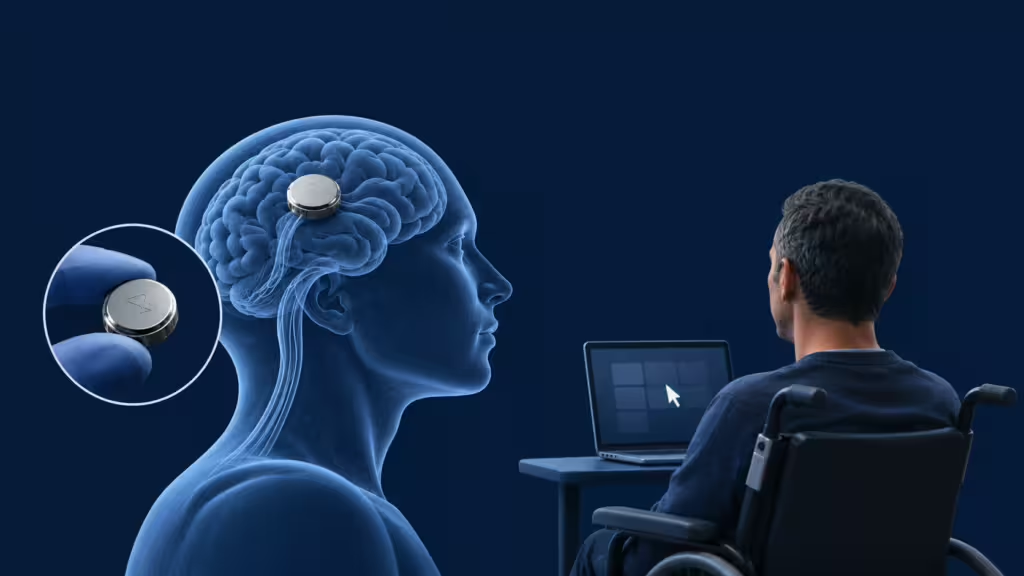
- What it measures: According to Neuralink, the trial will evaluate participants’ ability to control digital devices through thought, with a focus on functional outcomes that improve independence in daily life. It will also continue assessing the long-term safety and reliability of the system.
- The track record: The company said the pivotal study builds on its ongoing early feasibility studies in the United States, Canada and the United Kingdom, where more than 30 implanted participants have collectively logged thousands of hours of real-world use of the interface.
- Reported uses: Neuralink said participants have used their implants to pursue higher education, express creativity, play video games and communicate with family. The company did not break down outcomes by participant or specify how long individual implants have remained in use.
- Multiple sites: The trial will run across multiple clinical sites, according to the company. Neuralink did not name the participating hospitals or research centers, nor did it say how enrollment will be allocated among them.
- The stated goal: The company framed the approval as an important step toward bringing implantable BCI technology to market, to help restore autonomy and expand access to communication and control for people living with severe neurological conditions and unmet medical needs.
- Next steps for patients: Neuralink pointed prospective participants to its Patient Registry and to a dedicated trial page on its website for details on the LINK Pivotal Study. The company thanked participants, families, clinicians, regulators and research teams for enabling the step.
Background:
Early feasibility studies are small, exploratory trials that precede pivotal testing. Neuralink says its feasibility work is still ongoing in three countries, meaning the pivotal study starts while earlier-stage data continues to accumulate rather than after that work has closed.
Between the lines:
The framing matters as much as the clearance. Neuralink is presenting the LINK study not as another research cohort but as the regulatory step that precedes commercialization — a reading supported by the company’s own stated goal of bringing the technology to market. The 30-plus implanted participants and thousands of logged hours are the evidence base it is leaning on to justify that move.
What’s next
Watch for Neuralink to name the participating clinical sites, disclose a target enrollment figure and timeline, and report the first functional outcomes from pivotal-stage participants.