Microsoft adds CAPTCHA step to high-risk SMS and voice MFA
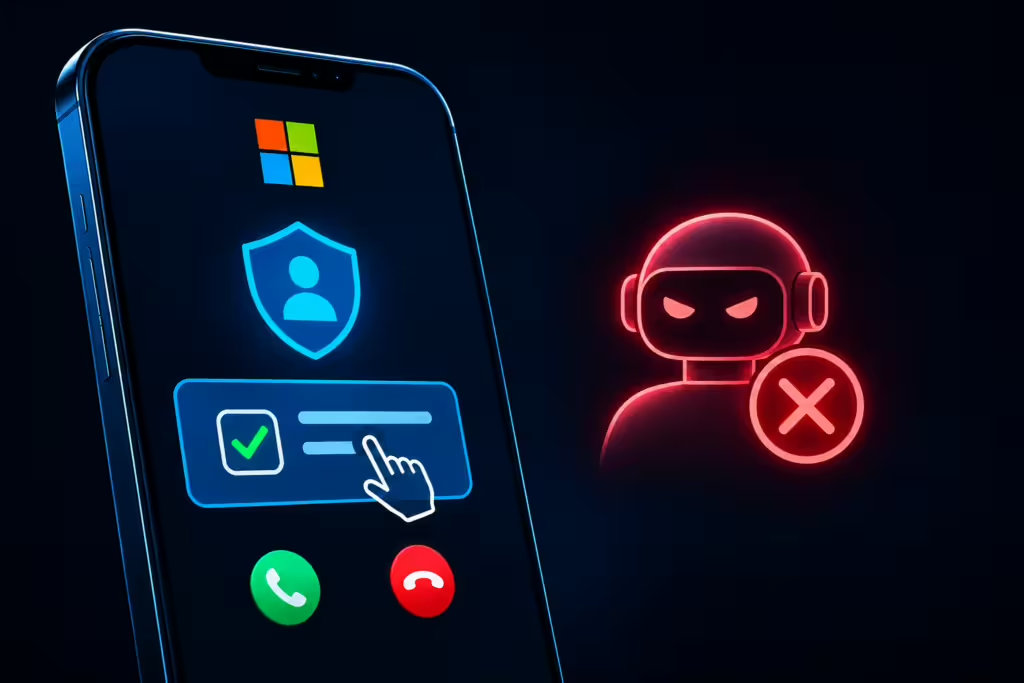
Telephony-based multifactor authentication in Microsoft Entra ID is getting an anti-bot gate: some users signing in with SMS or voice will have to clear a risk-based CAPTCHA before Microsoft sends a code or places a verification call.

· Originally published by ontime+ · Last verified: 20 Nov 2026
Key Points
- Microsoft Entra ID will prompt some users for CAPTCHA before sending SMS or voice MFA codes.
- Worldwide rollout begins mid-November 2026, triggered only by authentication attempts meeting high-risk thresholds.
- Restrictive firewalls or proxies could block the check and leave users unable to authenticate.
The latest:
Telephony-based multifactor authentication in Microsoft Entra ID is getting an anti-bot gate: some users signing in with SMS or voice will have to clear a risk-based CAPTCHA before Microsoft sends a code or places a verification call. Microsoft said the step appears only on attempts that cross high-risk thresholds, and that the worldwide rollout starts in mid-November 2026.
Details:
- The change: Microsoft said Entra ID is adding safeguards to protect telephony-based MFA from automated fraudulent activity. Affected users will see a risk-based anti-bot verification step before an SMS code is dispatched or a voice verification call is initiated, inserting a new interactive stage into a flow that previously ran automatically.
- The trigger: According to Microsoft, the prompt is not universal. It will surface only for authentication attempts that meet sufficiently high-risk thresholds, meaning most SMS and voice sign-ins should continue unchanged. Microsoft did not publish the specific thresholds or the signals used to score an attempt as high risk.
- Who is affected: The notice applies to any user relying on SMS or voice as an Entra ID multifactor authentication method. Other MFA options, including authenticator apps and passkeys, are not listed among the affected services.
- The rollout: Microsoft set the schedule as worldwide beginning in mid-November 2026, with no staged regional sequence named. The message carries an update dated November 19, 2026, in which Microsoft said the content had been revised, without detailing what changed. No completion date was given.
- The main risk: Microsoft warned that users behind restrictive network or firewall settings may be unable to complete SMS or voice MFA at all if the verification experience cannot load. That turns a network configuration issue into a direct sign-in failure, which is why the item is classified as requiring action to prevent a problem.
- Admin actions: Microsoft recommended administrators brief their help desk and notify users that some attempts may now require the extra step. It also advised reviewing the network-readiness guidance and confirming that organizations using restrictive firewalls, proxies or web filtering allow the required resources to load during authentication.
- The bigger push: Microsoft urged administrators to keep moving users to phishing-resistant methods such as passkeys where possible. The company published the change alongside documentation on telephony fraud risk, on passkeys by default, and on the retirement of Microsoft-provided SMS and voice authentication.
- Not the retirement: Microsoft stated explicitly that this change is separate from the planned retirement of SMS and voice authentication and does not affect that timeline. The notice listed no compliance considerations, telling organizations to review the item as appropriate for their own environment.
Background:
Telephony-based MFA has long been the weakest of the widely deployed second factors, exposed to interception and to automated abuse of code-sending infrastructure. Microsoft has already signaled it intends to retire its own SMS and voice authentication in favor of passkeys enabled by default.
Between the lines:
The design choice is telling: Microsoft is hardening a method it has already committed to retiring, which suggests telephony fraud is active enough that waiting for the retirement timeline was not an option. The flagged failure mode also matters more than it looks — an organization with tight web filtering could discover the problem only when the CAPTCHA fails to render and users are locked out.
What’s next
Watch whether the mid-November 2026 rollout generates help desk reports of blocked sign-ins in firewall-restricted tenants, and whether Microsoft issues further updates to MC1551151 or names a completion date for the worldwide deployment.