US proposes new tariffs on 14 trade partners, China faces 20% more
Washington has proposed fresh tariffs on 14 partners including China, the EU, Japan and India.
· Source: Reuters · Last verified: 25 Nov 2026
Summary
- Washington has proposed fresh tariffs on 14 partners including China, the EU, Japan and India.
- Only China's new duty stacks, adding 20% on top of 25% levies imposed in 2018.
- The move follows the Supreme Court striking down a large part of Trump's earlier tariffs.
The latest
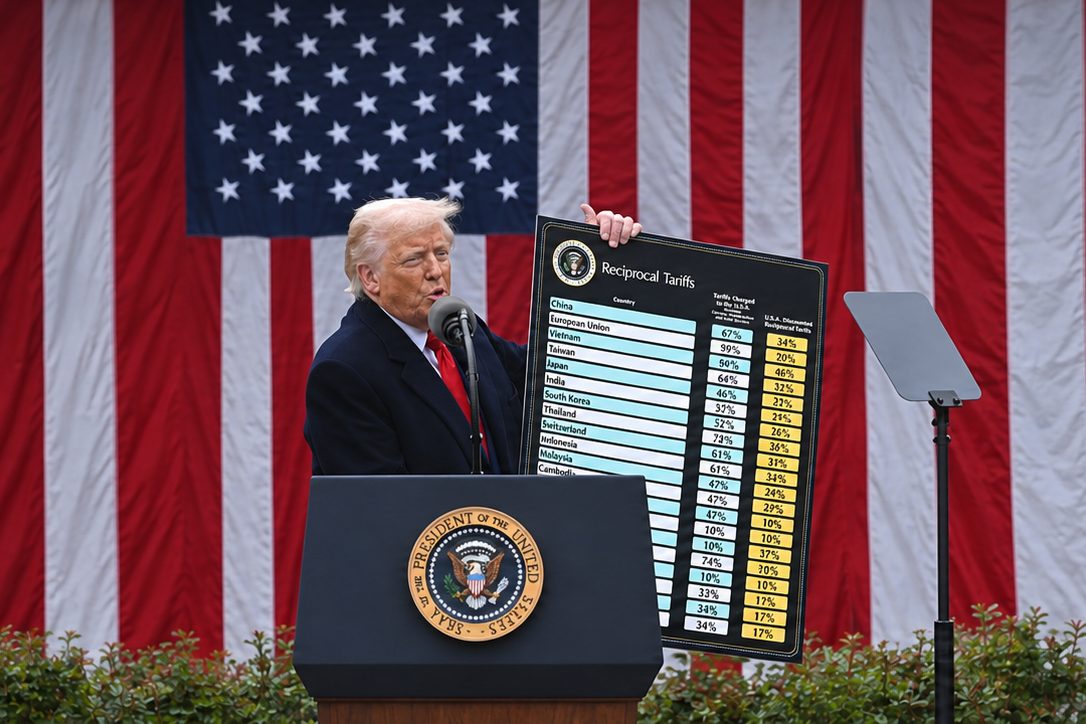
The United States has proposed new tariffs on 14 trading partners, among them China, the European Union, Japan and India, pressing ahead with President Donald Trump's tariff policy after the Supreme Court voided much of his earlier program. A senior US official told CNBC the targeted economies are creating or reinforcing structural excess industrial capacity that burdens or restricts American trade.
Details
- The legal basis: The duties are being brought under Section 301 of the Trade Act of 1974, which gives Washington authority to take countermeasures against foreign trade practices judged unfair, discriminatory, or a burden on US commerce. The administration frames the targets as economies generating excess industrial capacity.
- No stacking, except China: A senior US official said the new tariffs will not be added to duties already in force, with one exception. Beijing will face an additional 20%, layered on top of the 25% imposed in 2018 over forced technology transfer, according to CNBC.
- The 40% trigger: Tariffs on the world's second-largest economy could climb to 40% if China fails to honor its commitments under the trade truce reached in Busan, South Korea, in October 2025. That truce had cut tariffs on Chinese exports to the United States to 47%.
- Partners notified: The official said all 14 partners have been informed, and that rates applied to any of them would not exceed levels already announced under framework agreements covering reciprocal trade. The 14 were not individually listed beyond China, the EU, Japan and India.
- Washington's rationale: The administration defines overcapacity as surplus industrial output that is often state-subsidized, allowing cheap goods to flood global markets, hurting American producers and weakening their competitiveness. That definition underpins the Section 301 case.
- Beijing's rebuttal: China's foreign ministry said Wednesday, before the US Trade Representative's official reports were released, that so-called overcapacity does not exist in reality, Reuters reported. Beijing did not announce retaliatory measures alongside the statement.
- The court setback: In February the Supreme Court struck down tariffs Trump had imposed under the International Emergency Economic Powers Act, removing a large share of his tariff architecture and forcing the administration toward alternative statutory tools.
- The workaround: After the ruling, Trump invoked Section 122 of the Trade Act of 1974 to impose a 10% global tariff, then replaced it with duties of up to 12.5% on 60 economies under Section 301, citing forced labor practices.
- Earlier retreat: Trump unveiled a broad tariff package in April 2025 branded Liberation Day tariffs, before temporarily backing away from it following a negative reaction in bond markets.
Background
Tariffs have been a defining feature of the Trump administration, repeatedly imposed, challenged in court, and reissued under different statutory authorities. Section 301 has become the preferred legal route after the Supreme Court closed off the emergency-powers argument in February.
Between the lines
The shift from emergency powers to Section 301, and from forced labor to overcapacity as the stated justification, points to an administration adapting its legal reasoning rather than its objective. Capping new rates at levels already announced in framework agreements, and declining to stack them except on China, suggests pressure is concentrated on Beijing while other partners absorb a lighter adjustment.
What's next
Watch the US Trade Representative's official reports for the full list of 14 partners and rate schedules, China's compliance with the Busan truce commitments that would trigger the 40% ceiling, and any retaliatory response from Beijing.
Source: CNBC, Reuters