Brent slips below $90 as US pump prices fall 70 cents
Brent crude traded under $90 a barrel, briefly hitting its lowest level since late August.
· Last verified: 25 Nov 2026 (Axios, ING, AAA, Kpler, Wall Street Journal, International Energy Agency, Sparta Commodities)
Summary
- Brent crude traded under $90 a barrel, briefly hitting its lowest level since late August.
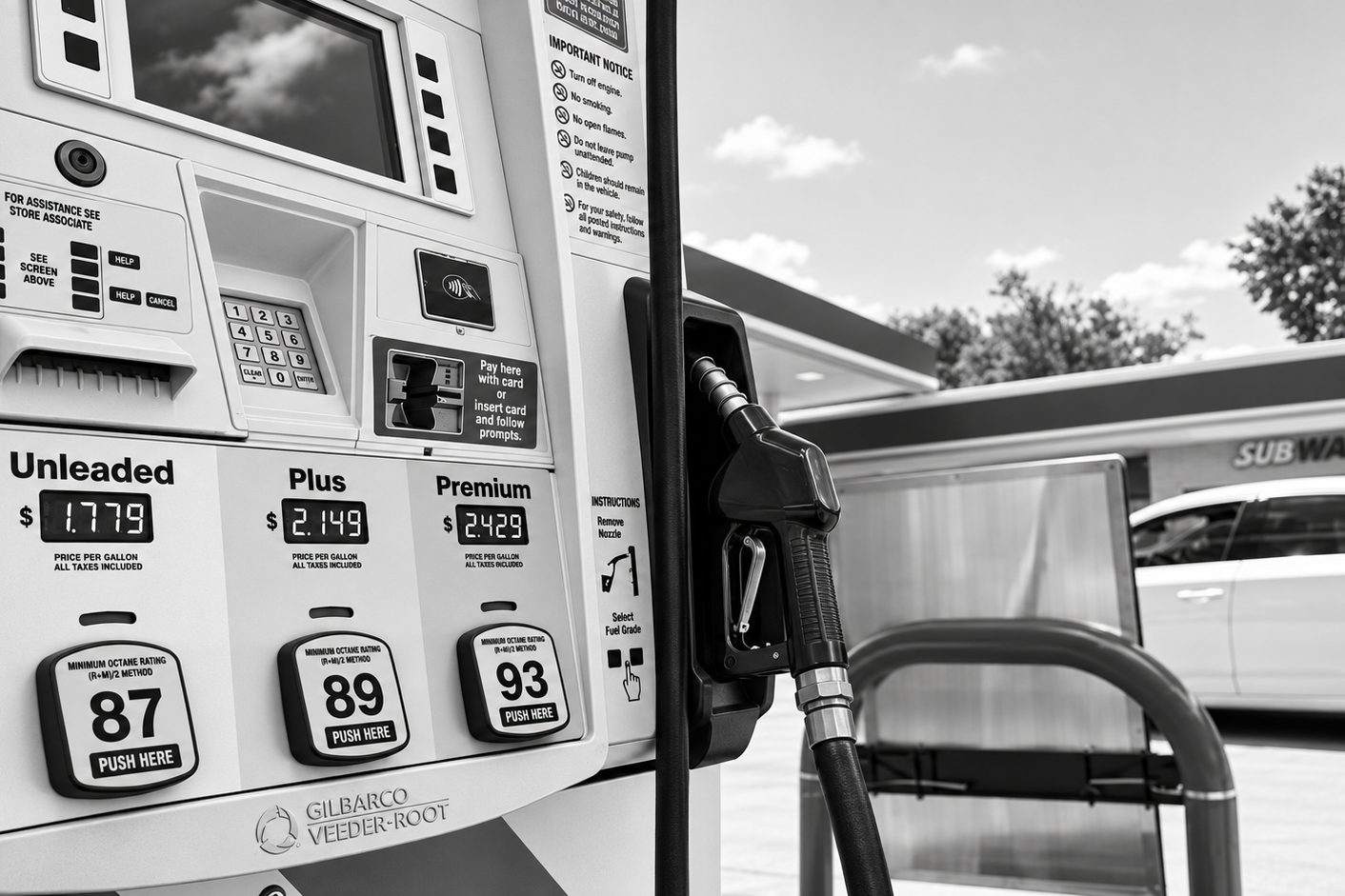
- US retail gasoline averages $3.61 a gallon, down nearly 70 cents in a month, per AAA.
- Analysts tie the easing to diplomacy with Iran, but Hormuz traffic remains far below prewar levels.
The latest
Brent crude opened the week below $90 per barrel, dipping briefly to its weakest point since late August and extending a slide that is already showing up at American pumps. The US average retail gasoline price stands at $3.61 per gallon, down almost 70 cents over the past month, according to AAA data. Analysts caution the drop rests on talks that have not concluded.
Details
- The pump effect: AAA data put the US average retail gasoline price at $3.61 per gallon, nearly 70 cents lower than a month earlier. Further declines in crude should keep feeding through to retail prices, though the pace of that pass-through was not specified.
- The analyst read: ING analysts wrote that the prospect of negotiations has eased some immediate concerns over Middle East supply, pointing to crude exports from the Persian Gulf that have remained relatively resilient despite continued disruption around the Strait of Hormuz.
- The diplomacy: Qatar's prime minister met Vice President JD Vance at the White House on Monday to discuss talks with Iran, according to Axios' Barak Ravid. No outcome from the meeting was announced, and the schedule for any negotiations with Tehran was not disclosed.
- The counterweight: Market intelligence firm Kpler found tanker traffic through the Strait of Hormuz ran 42% below prewar levels in the seven days through Nov. 21, the Wall Street Journal reported. Shipping through the waterway has not returned to its pre-conflict baseline.
- The risk warning: Axios cautioned that major risks remain, with the Strait of Hormuz and the wider region still a very dangerous place, and that the downward trend should not be assumed to continue. Nothing about regional supply conditions is back to normal.
- The supply outlook: The International Energy Agency predicted on Nov. 13 that the global oil market will return to a surplus this quarter, with supply rising while the agency lowered its oil demand estimate because of the conflict.
- The trader view: Aaron Kildow of Sparta Commodities said in a note Monday that "the status quo is growing ever more bearish," framing current conditions rather than the outcome of any talks as the dominant pressure on prices.
- The price marker: The late-August low is the reference point for Brent's current weakness, a level the benchmark touched only briefly at the start of the week before the session continued.
Between the lines
The bearish case rests on diplomacy that has not produced an agreement. Exports have held up and the IEA sees a surplus forming this quarter, but Kpler's finding that Hormuz tanker traffic is 42% below prewar levels shows the physical disruption is still in place. A breakdown in talks would reprice that gap quickly.
What's next
Watch for an outcome from the Qatar-brokered track with Iran, weekly Kpler readings on Hormuz tanker traffic, and whether the IEA's forecast surplus materializes this quarter as AAA pump prices keep sliding.
Source: Axios, ING, AAA, Kpler, Wall Street Journal, International Energy Agency, Sparta Commodities