Iraq lifts crude exports to 3.4 million bpd in October
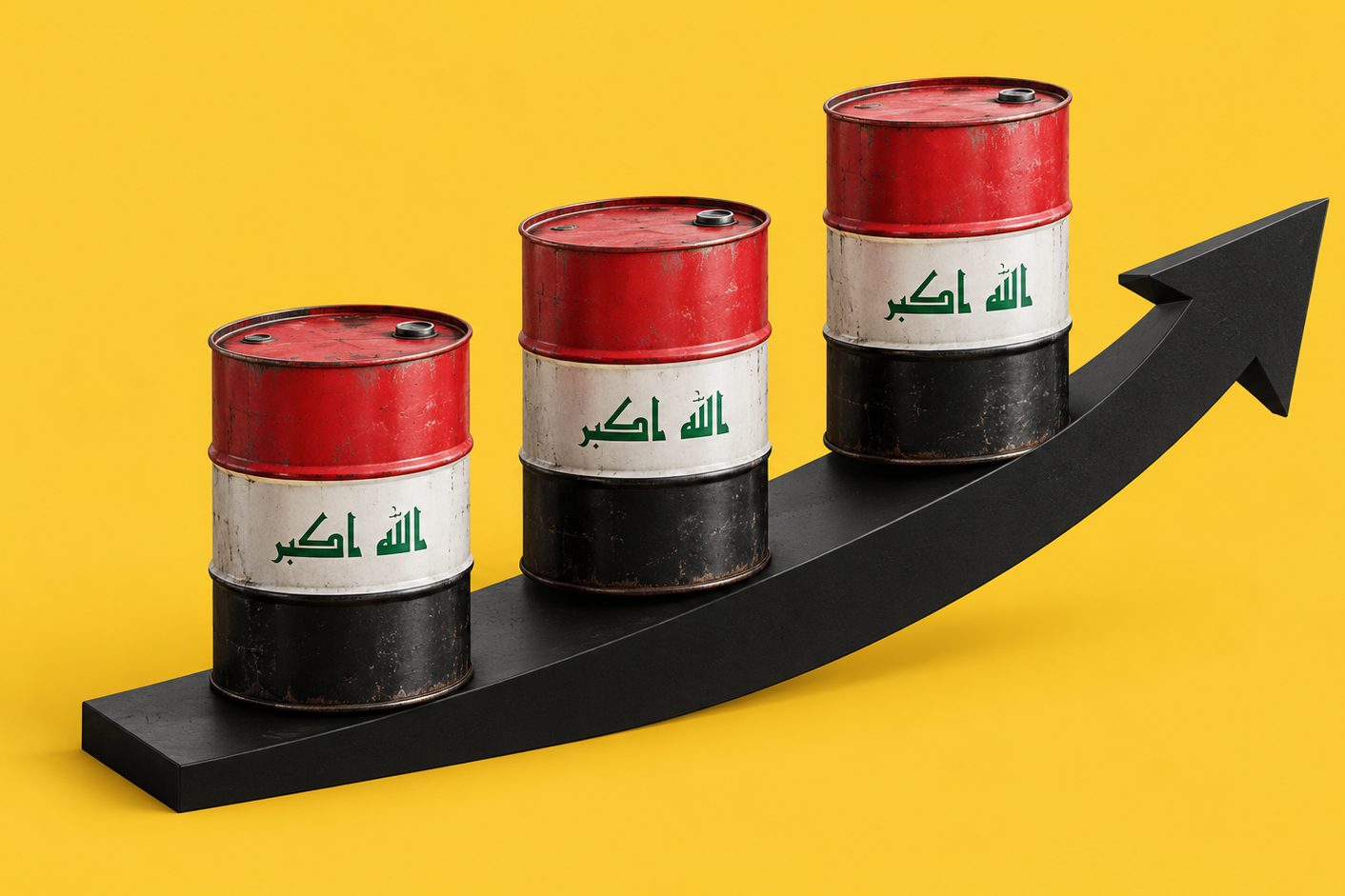
Iraq's oil minister says crude exports rose to more than 3.4 million barrels per day in October.
· Last verified: 20 Oct 2026 (Iraqi News Agency (INA), Iraq Business News)
Summary
- Iraq's oil minister says crude exports rose to more than 3.4 million barrels per day in October.
- September's rate stood at 3 million bpd, an increase of roughly 400,000 barrels daily.
- Higher volumes point to recovering oil revenue despite disrupted shipping through the Strait of Hormuz.
The latest
Iraq's crude export rate has climbed to more than 3.4 million barrels per day since the start of October, up from 3 million bpd in September, Oil Minister Basim Mohammed Khudair said on Monday 19 October 2026, according to the Iraqi News Agency. The minister said exports are flowing through three separate outlets despite war conditions around the Strait of Hormuz.
Details
- The numbers: Khudair put the October average at above 3.4 million barrels per day measured from the start of the month through 19 October, against 3 million bpd in September, according to the Iraqi News Agency. The gap between the two figures works out to roughly 400,000 additional barrels a day.
- The export routes: The minister said Iraqi crude is leaving the country through three outlets: the Strait of Hormuz, Turkey's Ceyhan port on the Mediterranean, and tanker-truck transport across Syria. The three-route structure spreads shipments across waterborne and overland channels rather than concentrating them at a single chokepoint.
- The buyers: Cargoes are heading to European, Asian and American markets, Khudair said. He did not break down how the 3.4 million bpd is distributed among the three destination regions, or how much of the total moves through each of the three export outlets.
- Hormuz conditions: The minister said the oil ministry and SOMO are keeping export operations running around the clock despite war conditions in the Strait of Hormuz. He did not detail what disruption the waterway is experiencing, nor whether any shipments have been delayed or rerouted as a result.
- The stated goal: Khudair framed the push as an effort to raise export capacity in order to secure the state's financial obligations. Oil sales remain the dominant source of Iraqi government income, making the export rate the main variable behind budget spending commitments.
- SOMO's role: The State Organization for Marketing of Oil, Iraq's state crude marketing arm, is handling the export operations alongside the ministry, the minister said. SOMO is the entity that sets official selling prices and allocates cargoes to term buyers.
- No revenue data: The minister released no figures for October revenue and no selling prices for Iraqi crude grades. He also did not indicate whether the higher October rate is expected to hold through the rest of the month or into November.
- OPEC+ context: Iraq is the second-largest producer in OPEC+ and its export volumes are tracked against its quota under the group's production arrangements. Khudair did not address how the October rate sits relative to Iraq's commitments within the alliance.
Between the lines
The minister's emphasis on three separate export outlets, rather than a single headline number, reads as a message about resilience: with Hormuz under war conditions, Ceyhan and the Syrian truck route carry weight beyond their volume. Tying the capacity push explicitly to state financial obligations also signals that Baghdad's budget math depends on holding the higher rate.
What's next
Watch for the full-month October export and revenue figures that Iraq's oil ministry publishes at the start of each month, and for any OPEC+ statement on Iraqi compliance with its production quota.