Saudi regulator opens circumvention review on PVC fabric imports after FIPCO unit's request
Saudi trade authority is reviewing alleged circumvention by China, South Korea, India and UAE of PVC fabric duties.

· Last verified: 26 Nov 2026 (Saudi Exchange (Tadawul) — FIPCO issuer announcement)
Summary
- Saudi trade authority is reviewing alleged circumvention by China, South Korea, India and UAE of PVC fabric duties.
- Review follows a request by FPC Industrial Company, a subsidiary of Tadawul-listed FIPCO.
- FIPCO says the financial impact cannot be determined until the review concludes.
The latest
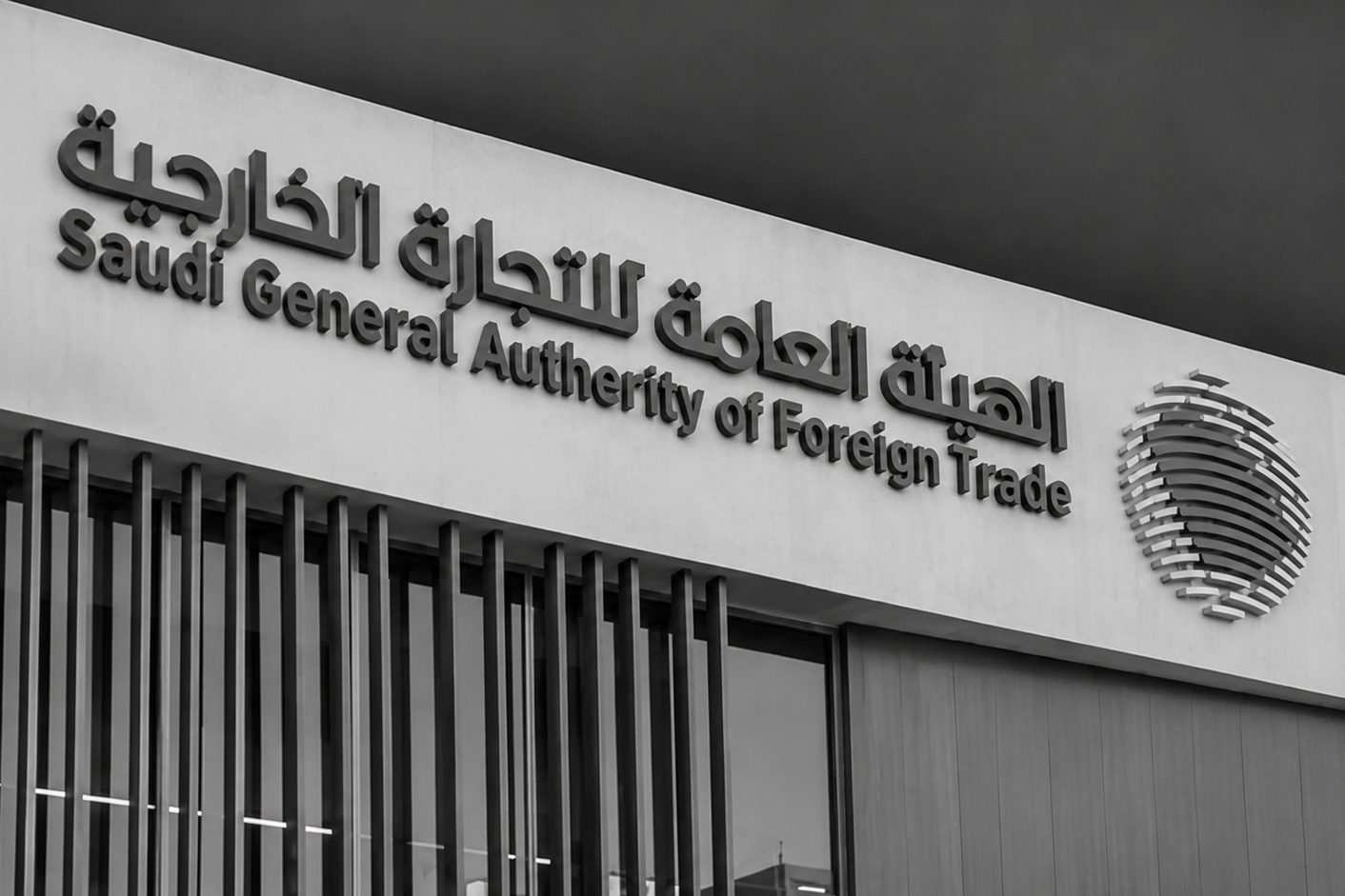
Saudi Arabia's General Authority of Foreign Trade has opened a review into potential circumvention by China, South Korea, India and the United Arab Emirates of definitive anti-dumping duties on imports of PVC-coated textiles. Filling and Packing Materials Mfg. Co. (FIPCO) told the Saudi Exchange the decision came on a request from its subsidiary, FPC Industrial Company. The company said it cannot yet quantify the financial impact.
Details
- The decision: FIPCO said the GAFT Governor issued the decision pursuant to Announcement No. (16), published in the Official Gazette (Umm Al-Qura) on November 25, 2026. The review targets potential circumvention by China, South Korea, India and the UAE concerning duties on PVC-coated textiles originating in or exported from China and South Korea.
- Who asked: The review was initiated on a request submitted by FPC Industrial Company, a subsidiary of FIPCO. The parent disclosed the decision to shareholders through an issuer announcement on the Saudi Exchange (Tadawul) dated November 26, 2026.
- The company's framing: FIPCO described the decision as a significant milestone, saying it marks the first case of its kind in the Kingdom concerning circumvention of anti-dumping measures. The characterization is the company's own, set out in its disclosure to shareholders rather than in the regulator's published decision.
- The original duties: FIPCO said it previously secured definitive anti-dumping duties for five years, announced on Tadawul on December 17, 2024. It said those measures failed to achieve their intended remedial and economic objectives because of circumvention practices it says it identified and documented from the first day the duties took effect.
- Alleged damage: According to FIPCO, the practices inflicted substantial commercial, operational and financial damage on its subsidiary by allowing continued inflows of imported products at prices that distorted fair competition. The company did not quantify that damage or name the importers involved.
- How the case was built: FIPCO said it formed a specialized internal task force immediately after the duties were imposed, which conducted monitoring, investigations and field visits, collected and analyzed evidence, and coordinated with government bodies. The work used internal resources under Board guidance, with no material costs incurred, the company said.
- What FIPCO wants: The company said it expects the case to let it compete in a fair business environment, raise market share, improve production capacity utilization and profit margins, and achieve targeted returns on its investments. Those are stated expectations tied to an outcome not yet decided.
- Financial impact: FIPCO said it is currently difficult to determine the financial impact until the outcome of the review and the final decisions become clear. No timetable for the review, and no date for a ruling, was given in the disclosure.
Background
Anti-dumping duties are imposed on imports sold below fair value; a circumvention review examines whether those duties are being bypassed, including through third countries. FIPCO's case concerns duties set on PVC-coated textiles from China and South Korea, with India and the UAE now added to the review's scope.
Between the lines
FIPCO's disclosure separates two things carefully. It presents the review itself as a win — the first such case in the Kingdom, by its own account — while conceding the commercial benefit is unquantifiable until the authority rules. The company also stresses it spent nothing material building the file, framing the case as upside with no booked cost. Investors are being told the duties already in force have not delivered, itself a statement about the five-year measures secured in 2024.
What's next
The General Authority of Foreign Trade's findings and any final decision on extending or adjusting the duties, plus any follow-up FIPCO disclosure to Tadawul quantifying the financial impact once the review outcome is known.
Source: Saudi Exchange (Tadawul) — FIPCO issuer announcement