Baghdad puts Kurdistan oil smuggling losses at $100bn since 2008
Iraq's government estimated $100bn in damages from Kurdistan oil exported outside Somo between 2008 and 2025.
· Last verified: 27 Nov 2026 (Federal Board of Supreme Audit (FBSA) Iraqi News Agency (INA) Iraqiya TV)
Summary
- Iraq's government estimated $100bn in damages from Kurdistan oil exported outside Somo between 2008 and 2025.
- The figure follows a court ruling letting Baghdad deploy federal troops to all international borders.
- Erbil says the measures breach the region's constitutional powers, with thousands protesting on Thursday.
The latest
Damages from Kurdistan oil exported outside Iraq's state marketing company Somo between 2008 and 2025 exceeded $100 billion, government spokesman Haider Al Aboudi said on Friday, citing the Federal Board of Supreme Audit. The estimate lands as Baghdad moves to take over border crossings and oil operations in the semi-autonomous north, a push Kurdish authorities say infringes on their constitutional powers.
Details
- The figure: Al Aboudi said the Federal Board of Supreme Audit found damages exceeding $100 billion from the export of Kurdistan oil outside the State Oil Marketing Organisation between 2008 and 2025. He said legal action would be taken against any parties found involved in the loss of public funds.
- The crossings: The Al Waleed crossing with Syria and the Bashta crossing with Iran, both previously administered by the Kurdistan Regional Government, are now shut, the commander of Iraq's border forces told the Iraqi News Agency. Al Aboudi said the closures and control of international borders target smugglers.
- The court ruling: Iraq's highest court ruled on Wednesday that Baghdad may send federal troops to all international frontiers, including those in the Kurdistan region. The crossing closures followed that decision.
- The order: Prime Minister Ali Al Zaidi on Tuesday ordered federal authorities to take over border points run by the KRG, part of a broader push to strengthen central control over strategic assets, including oilfields managed by Kurdish security forces. He said the measures aimed to stop oil smuggling.
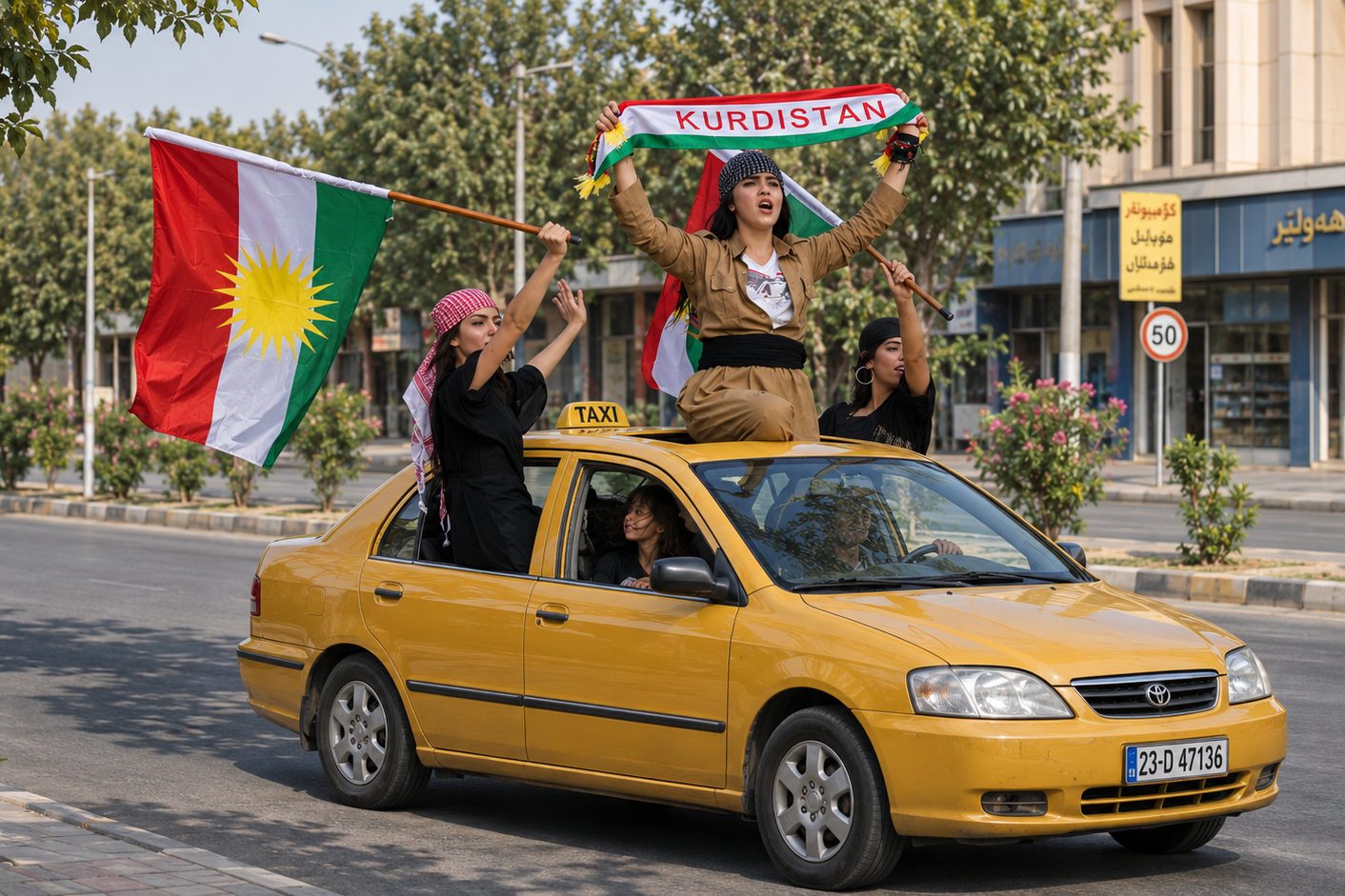
- Erbil's response: Kurdish authorities criticised the measures as an infringement on the constitutional powers of the Kurdistan region. Thousands protested in Erbil on Thursday waving regional flags, voicing opposition to federal control of oil operations and border crossings in the north.
- Troop denial: Baghdad moved on Thursday to ease fears of a confrontation, denying reports that army units were advancing north. Al Aboudi told state-run Al Iraqiya TV: "There is no movement of army units towards the Kurdistan region," adding that Al Zaidi had stressed protecting the people of Kurdistan.
- Washington's position: US President Donald Trump said on Friday that Washington supports Al Zaidi's efforts to assert state authority throughout Iraq, stop the smuggling of Iraqi oil, end corruption and bring all weapons under the exclusive control of the state.
- The dialogue track: Authorities said a meeting at Baghdad Palace on Wednesday agreed to hold a national dialogue addressing the escalating constitutional tension with Erbil. It brought together Al Zaidi, President Nizar Amedi, Parliament Speaker Haibat Al Halbousi and Supreme Judicial Council head Faiq Zaidan.
Background
Somo, the State Oil Marketing Organisation, is the federal body through which Iraqi crude is meant to be sold. The audit estimate covers oil exported outside that channel from the Kurdistan region over 17 years, the period Baghdad now cites as the basis for legal action.
Between the lines
The sequence runs in one direction: a takeover order on Tuesday, a court ruling on Wednesday, two crossings shut, then a $100 billion figure attached to 17 years of exports. The number gives Baghdad a financial rationale for steps already taken, while the denial of troop movements and the Baghdad Palace dialogue suggest it wants the assets without the confrontation Erbil's protests signal.
What's next
Whether the agreed national dialogue convenes, how Erbil responds to the loss of the Al Waleed and Bashta crossings, and whether Baghdad opens the legal cases Al Aboudi said would target those responsible for lost public funds.
Source: Federal Board of Supreme Audit (FBSA) Iraqi News Agency (INA) Iraqiya TV