Satellites show tankers at Saudi Red Sea ports tripling in days
Sentinel imagery counted 10 tankers berthed at Yanbu and Muajjiz on October 15, up from three on October 10.
· Source: Bloomberg · Last verified: 18 Oct 2026
Summary
- Sentinel imagery counted 10 tankers berthed at Yanbu and Muajjiz on October 15, up from three on October 10.
- Loadings rose after the East-West pipeline resumed pumping, with flows reaching about 5.8 million barrels per day.
- Red Sea activity signals Saudi exports holding up despite Iranian and Houthi attacks on shipping.
The latest
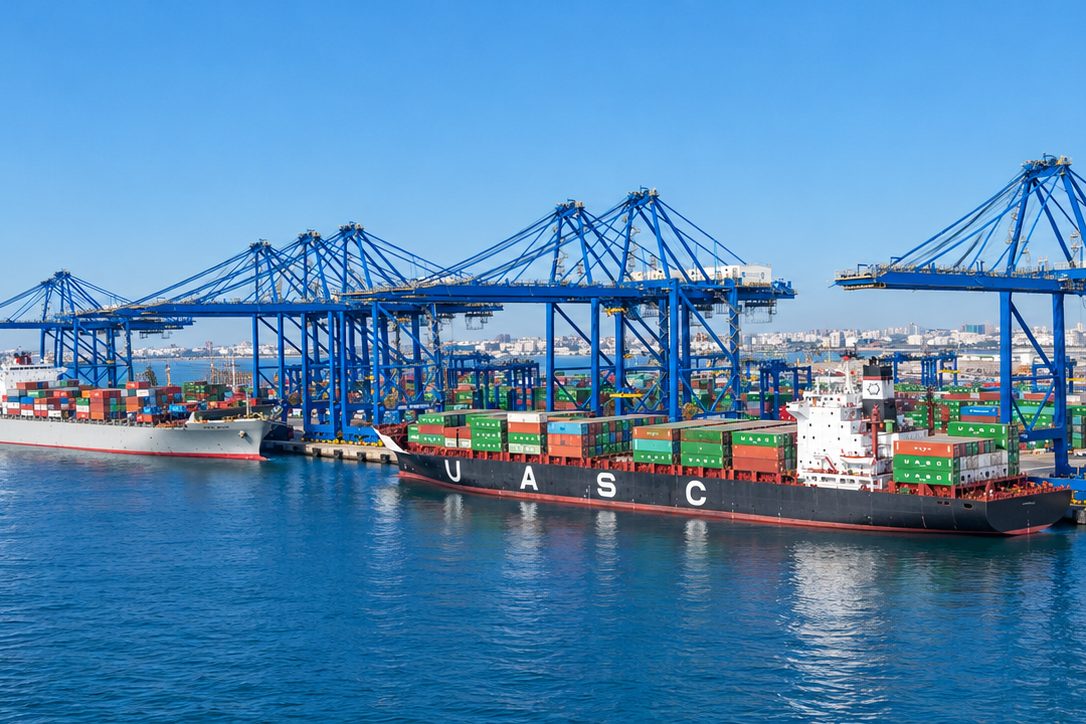
Ten oil tankers were berthed at loading terminals in the Red Sea ports of Yanbu and Muajjiz on October 15, according to images from the Sentinel satellites of the European Copernicus earth-observation programme. That compares with three tankers on October 10 and five on October 5, the two previous passes over the area. Seven of the vessels, three of them very large carriers, were at Yanbu.
Details
- The count: Sentinel imagery recorded five tankers at the two Red Sea terminals on October 5, three on October 10, then 10 on October 15. The jump covers only the dates the satellites passed overhead, which sets the pace at which the loading berths can be observed at all.
- Port breakdown: Seven tankers were berthed at Yanbu on October 15, the main outlet of the East-West pipeline, including three very large crude carriers. Another three were at Muajjiz, the terminal lying to the south of Yanbu on the same stretch of Red Sea coast.
- Pipeline restart: The rise in Red Sea loadings followed the resumption of crude pumping from the Eastern Province to Yanbu through the East-West pipeline. Flows reached roughly 5.8 million barrels per day, Energy and Industry Minister Prince Abdulaziz bin Salman said on October 6.
- Why it stopped: The East-West pipeline was out of service for about two weeks after a drone attack launched from Iraq on September 10. No party was named as responsible for ordering that strike.
- Customer notice: Bloomberg, citing informed sources, reported that Saudi Aramco told European customers who normally take their cargoes from the Red Sea via the Suez Canal that it would supply their full November crude allocations.
- Export levels: Energy and commodities data provider Kpler said Saudi oil exports held at high levels in early October despite Iran escalating attacks on shipping in the Strait of Hormuz and continued Houthi strikes on Saudi territory.
- The averages: Daily exports averaged 5.31 million barrels in the first week of October, against 7.12 million barrels per day in September, according to Kpler. September was the highest monthly level since the war began, close to the 7.33 million recorded in February, on the eve of the war.
- Going dark: Satellite imagery has become the main tool for tracking Gulf crude exports after most tankers began sailing with automatic identification transponders switched off, an attempt to avoid attacks by Iran and the Iran-backed Yemeni Houthi group.
Background
The East-West pipeline carries crude from Saudi Arabia's Eastern Province to Yanbu on the Red Sea, allowing cargoes to reach Europe through the Suez Canal without transiting the Strait of Hormuz. Its two-week outage in September removed that alternative route at the height of attacks on shipping.
Between the lines
The tanker count and the pipeline restart point the same way: Riyadh is routing more barrels west while Hormuz remains under attack. Aramco's assurance of full November allocations to European buyers fits a recovery already visible at the Yanbu berths. The October export average of 5.31 million barrels per day still sits well below September's 7.12 million, so the loading surge reflects a route reopening rather than a return to peak volumes.
What's next
Watch the next Sentinel passes over Yanbu and Muajjiz for whether the 10-tanker count holds, Kpler's full-month October export figure, and whether November cargoes to European buyers load on schedule.
Source: Bloomberg, Kpler, Copernicus/Sentinel