Hormuz disruption drained nearly 1 billion barrels, Al Jaber tells Adipec
Shipping disruption through the Strait of Hormuz has pulled close to 1 billion barrels from global oil inventories.
· Last verified: 2 Nov 2026 (The National)
Summary
- Shipping disruption through the Strait of Hormuz has pulled close to 1 billion barrels from global oil inventories.
- Shipping and logistics now exceed 30% of a barrel's cost, up from under 5% before the disruption.
- Adnoc is pushing AI into field operations as delivery, not production, becomes the test of energy security.
The latest
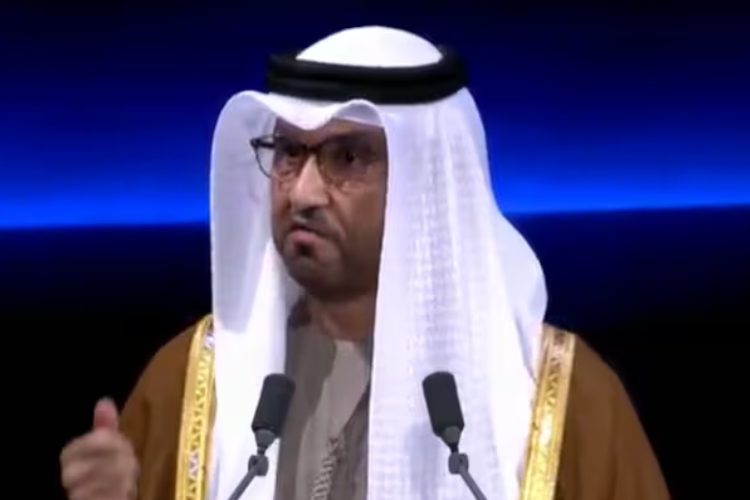
Close to 1 billion barrels have been drawn out of global oil inventories because of disrupted shipping through the Strait of Hormuz, Adipec in Abu Dhabi heard on Monday. Sultan Al Jaber, UAE Minister of Industry and Advanced Technology and Adnoc group chief executive, said the world had eroded its supply buffers and that securing production no longer guarantees supplies reach consumers.
Details
- The figure: Al Jaber said disruption to flows through the Strait of Hormuz had drained nearly 1 billion barrels from global inventories, evidence that the industry's supply buffers have been eroded. He said supply is only half the story, with delivery the other half.
- Shipping costs: Shipping and logistics accounted for less than 5% of the cost of a barrel before the disruption and now exceed 30%, Al Jaber said. He framed the shift as proof that energy security is measured at the point of delivery, not only at the point of production.
- Fuel stocks: Diesel inventories in some markets have fallen to their lowest seasonal levels in 35 years, according to Al Jaber, while other markets face a 600 billion cubic feet gap in LNG supplies. He did not name the markets concerned in either case.
- The cause: Al Jaber attributed the disruption to the Iran war, which he said severely interrupted energy flows through Hormuz and exposed weaknesses in global supply chains. He said the industry had spent years optimising for just in time, and this year received the bill for just in case.
- The OpenAI deal: Adnoc announced an agreement with OpenAI and G42 to become the first energy company to deploy OpenAI's Frontier platform, covering field development, well management and commercial operations. Al Jaber said the partnership, guided by Abu Dhabi Crown Prince Sheikh Khaled bin Mohamed, would make Adnoc's systems safer and more productive.
- The AI pitch: Addressing OpenAI chief executive Sam Altman, who attended the opening ceremony, Al Jaber said the world had asked since ChatGPT's launch what energy could do for AI, and would now find out what AI can do for energy. He called for intelligent systems that anticipate risk and cut costs.
- Five priorities: Al Jaber set out five priorities for strengthening energy security: accessible supply, routes to market, operational intelligence, investment confidence and people. On financing, he said capital follows confidence, that policy must create it, finance must accelerate it and insurance must keep trade moving.
- The UAE line: Al Jaber said the UAE would keep advocating dialogue, diplomacy and political solutions to support stability in energy markets and the wider economy. He said talent, capital and investment had stayed through the disruption, describing the result as a model pressure-tested by results.
- Preparedness claim: Adnoc's resilience plans were written years before the disruption rather than during it, Al Jaber said. He argued energy leadership is measured not by output in good times but by deliveries in hard times, and closed by saying the UAE can be counted on when it matters most.
Background
The Strait of Hormuz is the chokepoint for a large share of seaborne crude and LNG from the Gulf. Al Jaber linked this year's disruption to the Iran war, which he said interrupted flows and exposed supply chain weaknesses across the industry.
Between the lines
The two announcements are linked by the same argument. If moving a barrel has gone from under 5% of its cost to above 30%, the competitive edge shifts from production volumes to logistics and routing — which is the case Al Jaber makes for embedding AI in well management and commercial operations. The Frontier deal is positioned as infrastructure for that shift, not a technology showcase.
What's next
Watch for the rollout timeline of Adnoc's Frontier deployment, which was not specified, alongside diesel and LNG inventory data in the affected markets and any easing in shipping and insurance costs through Hormuz.
Source: The National