Emirati elected to IMF executive board for first time
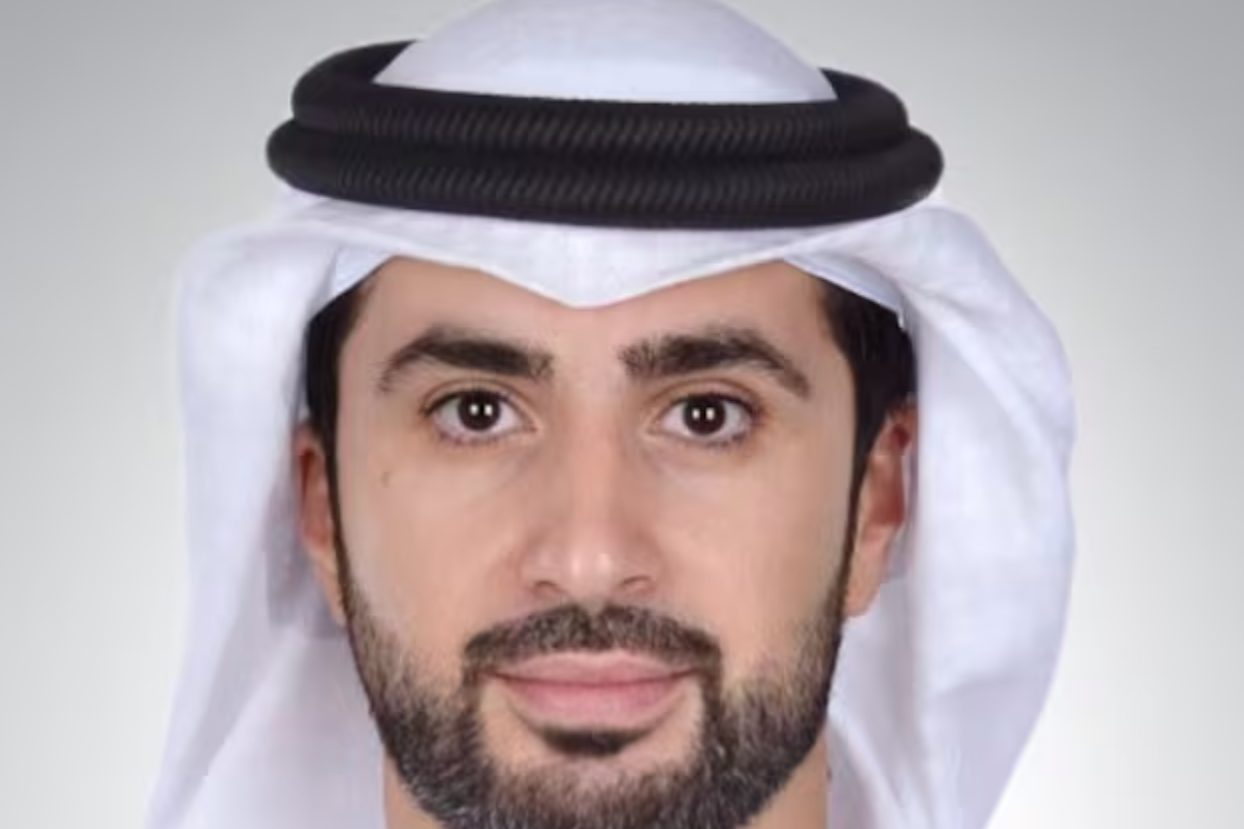
Ali Alhosani becomes the first Emirati elected executive director at the International Monetary Fund.
· Last verified: 16 Oct 2026 (The National)
Summary
- Ali Alhosani becomes the first Emirati elected executive director at the International Monetary Fund.
- He will represent the Arab Group countries and the Maldives on the IMF's 25-member executive board.
- The seat gives Abu Dhabi a direct vote on IMF lending and country assessments.
The latest
Ali Alhosani has been elected executive director at the International Monetary Fund, the first Emirati to hold the post, taking a seat that represents the Arab Group countries and the Maldives. Sheikh Maktoum bin Mohammed, First Deputy Ruler of Dubai, Deputy Prime Minister and Minister of Finance, announced the election on Friday and wished Alhosani success in the role.
Details
- The seat: Alhosani's chair speaks for the Arab Group countries and the Maldives, a constituency seat rather than a single-country one. The UAE's selection to lead that group places it as the voice of multiple member states in board deliberations on their programmes and priorities.
- His background: Alhosani previously served as deputy executive director of the Arab Group at the IMF, moving up within the same constituency he will now lead. No start date for the new role was announced.
- Sheikh Maktoum's framing: Sheikh Maktoum said the UAE's representation of the Arab Group and the Maldives on the board reflects the strength of the country's economic model and its ability to transfer successful national experiences in financial development to other members.
- The policy line: The minister said placing Emiratis in leadership roles at international financial institutions follows the leadership's vision for expanding the country's global economic influence, and described the election as part of a continuing push for wider UAE representation.
- Alhosani's response: Alhosani thanked the UAE leadership for the confidence placed in him and said the selection of the UAE to lead the group reflects member countries' trust in its judgement and its capacity to back their development priorities and reform programmes.
- His stated priorities: He said the next phase would centre on strengthening the IMF's role in financing, economic assessment and capacity building for the group's countries, with particular attention to members facing crises or exceptional circumstances through responsive frameworks. He also said he would seek strategic partnerships with other countries and constituencies, including by "sharing the UAE's successful experience in building a robust and integrated financial and monetary system".
- How the board works: The executive board oversees the IMF's day-to-day business and consists of 25 executive directors elected by member countries, plus the managing director. It debates how members' economic policies affect their own economies and the global economy.
- What it decides: The board approves financial assistance for countries facing temporary balance of payments problems and oversees the IMF's training and technical support programmes, giving directors a direct hand in lending terms and surveillance findings.
- Who chairs it: Managing Director Kristalina Georgieva currently leads the IMF, heads its staff and chairs the executive board, meaning Alhosani will sit on a body she presides over.
Background
The IMF's executive directors are elected by groupings of member states rather than appointed individually, so a single chair often carries the votes of a bloc. The Arab Group constituency seat has rotated among its members, and the UAE's selection puts an Emirati in that chair for the first time.
Between the lines
The significance is institutional rather than personal: the chair carries votes on lending approvals and country assessments for a bloc that includes states under financial strain. Alhosani's own stated priority — responsive frameworks for countries in crisis — points at where that leverage would be used, and Sheikh Maktoum's framing of the role as an extension of UAE economic influence makes the political reading explicit rather than inferred.
What's next
Watch when Alhosani takes his seat and how the Arab Group chair votes on the board's next financing approvals and country assessments, particularly for members operating under existing IMF programmes.
Source: The National