Saudi debt costs to swallow much of 2027 spending cuts
Riyadh plans a 3% spending cut to SAR1.39 trillion, trimming subsidies, health and education.
· Last verified: 26 Nov 2026 ( Oxford Economics, Abu Dhabi Commercial Bank, Capital Economics)
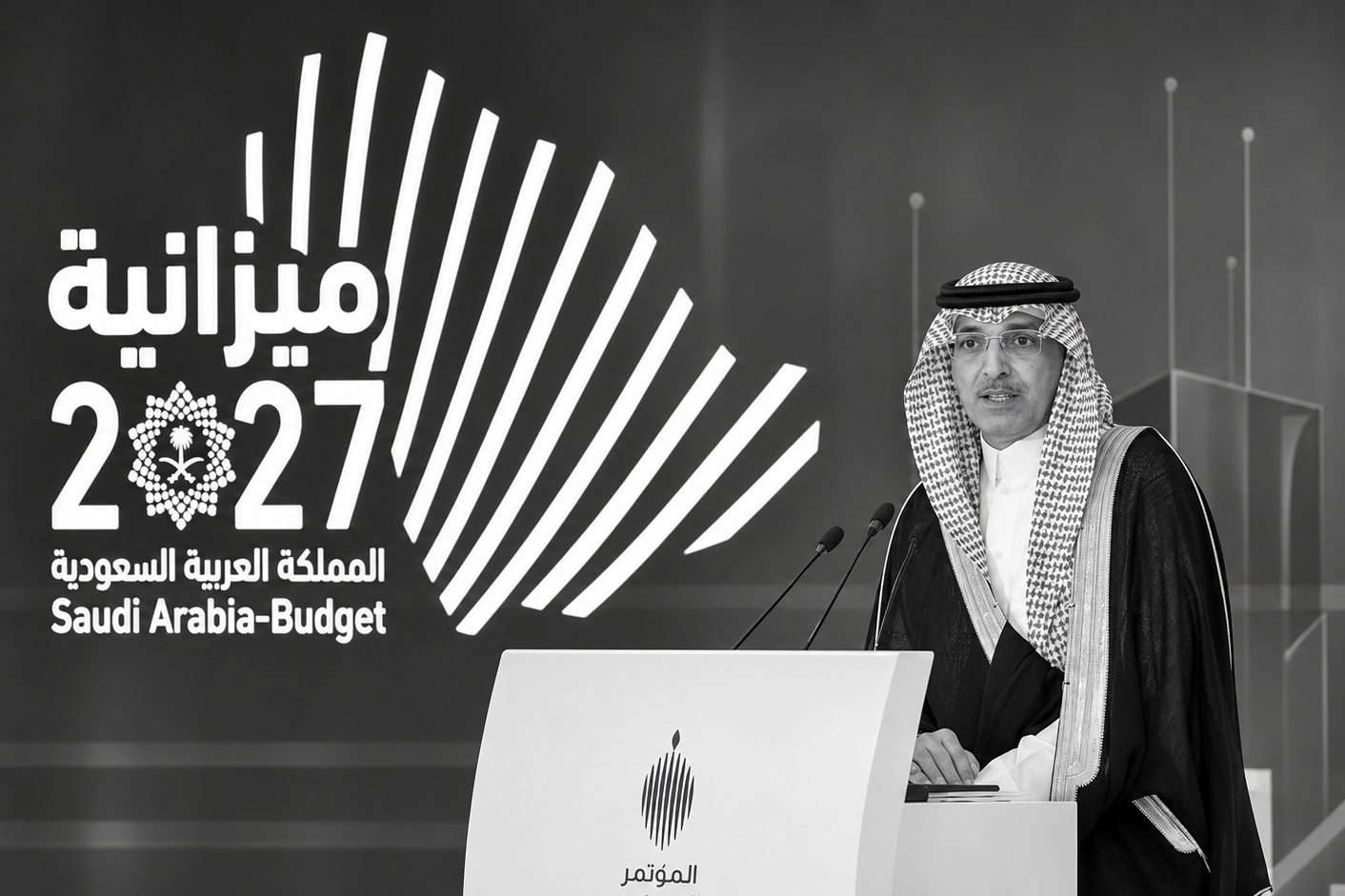
Summary
- Riyadh plans a 3% spending cut to SAR1.39 trillion, trimming subsidies, health and education.
- Debt-financing costs rise nearly a third to SAR93 billion, absorbing much of the savings.
- Economists say oil prices will decide whether medium-term deficit targets hold.
The latest
Saudi Arabia will cut subsidies, healthcare and education spending next year to narrow its budget deficit, but a near one-third jump in debt-financing costs will absorb much of what it saves. The deficit is projected to shrink 22% to SAR191 billion, or 3.6% of GDP, from an estimated SAR245 billion this year. Economists described the plan as broadly expected.
Details
- The headline numbers: The government expects spending to fall 3% to SAR1.39 trillion and revenue to rise 1% to SAR1.2 trillion in 2027. That narrows the deficit to 3.6% of GDP from an estimated 4.9% this year, a level the budget statement says Riyadh expects to sustain over the medium term.
- Subsidies: Subsidy spending drops to SAR18 billion from SAR48 billion, driven largely by electricity and water reforms. It is the sharpest proportional cut, though health and social development absorbs the largest reduction in money terms.
- Where the cuts land: Health and social development falls 16% to SAR256 billion. Security and regional administrations are cut 9%, infrastructure and transportation 7%, and education 5%. Military spending rises 3% to SAR263 billion and municipal services spending rises 12%.
- The debt bill: Debt-financing costs climb nearly one-third to SAR93 billion. Akanksha Samdani, lead economist at Oxford Economics in Dubai, said much of the money saved through spending cuts will go toward the higher debt bill. Debt servicing will take nearly 7% of total expenditure, up from 5% in 2026, according to AGBI calculations.
- The read: Monica Malik, chief economist at Abu Dhabi Commercial Bank, said the budget provided no surprises and described it as an attempt to support the economy while reducing overall spending. Samdani framed it as returning spending to more normal levels after a crisis year, as Vision 2030 enters its final phase.
- The oil assumption: Capital Economics wrote that the 2027 budget implies an oil price of $75-80 a barrel next year. Malik expects spending to exceed the budgeted level and said that if oil falls below $80 while spending holds near forecast, the deficit will widen again.
- Revenue mix: The government forecasts higher goods and services taxes and customs duties, with income, profit and capital gains receipts flat. Other taxes, including zakat, will decline, which the budget attributes to the impact of geopolitical developments on the performance of certain companies.
- The debt path: Public debt is projected to rise 11% to SAR1.9 trillion in 2027, equal to 36% of GDP, reaching SAR2.3 trillion, or 39% of GDP, by 2029. Malik said lower oil prices could push the ratio above those forecasts absent deeper cuts or new revenue measures.
- Financing the gap: Samdani said investors will keep funding the shortfall, citing plentiful reserves and strong foreign and domestic demand for Saudi sovereign debt. Affordability is not the issue, she argued, but rising debt and repayments will widen spreads and push the government to prioritise the highest-returning projects.
Between the lines
The budget's internal tension is visible in its own figures: SAR30 billion saved on subsidies is roughly matched by the SAR23 billion increase in debt servicing, leaving less fiscal room than the headline 3% cut implies. Malik also warned that cutting deeper could slow non-oil revenue growth, because public spending itself drives much of the domestic demand behind it.
What's next
Watch Brent's level against the implied $75-80 assumption, Riyadh's sovereign debt issuance and the spreads it prices at, and whether actual 2027 outlays run above the budgeted SAR1.39 trillion as Malik expects.
Source: Oxford Economics, Abu Dhabi Commercial Bank, Capital Economics