Saudi Arabia refunds 415 million riyals in fees to 11,848 SMEs
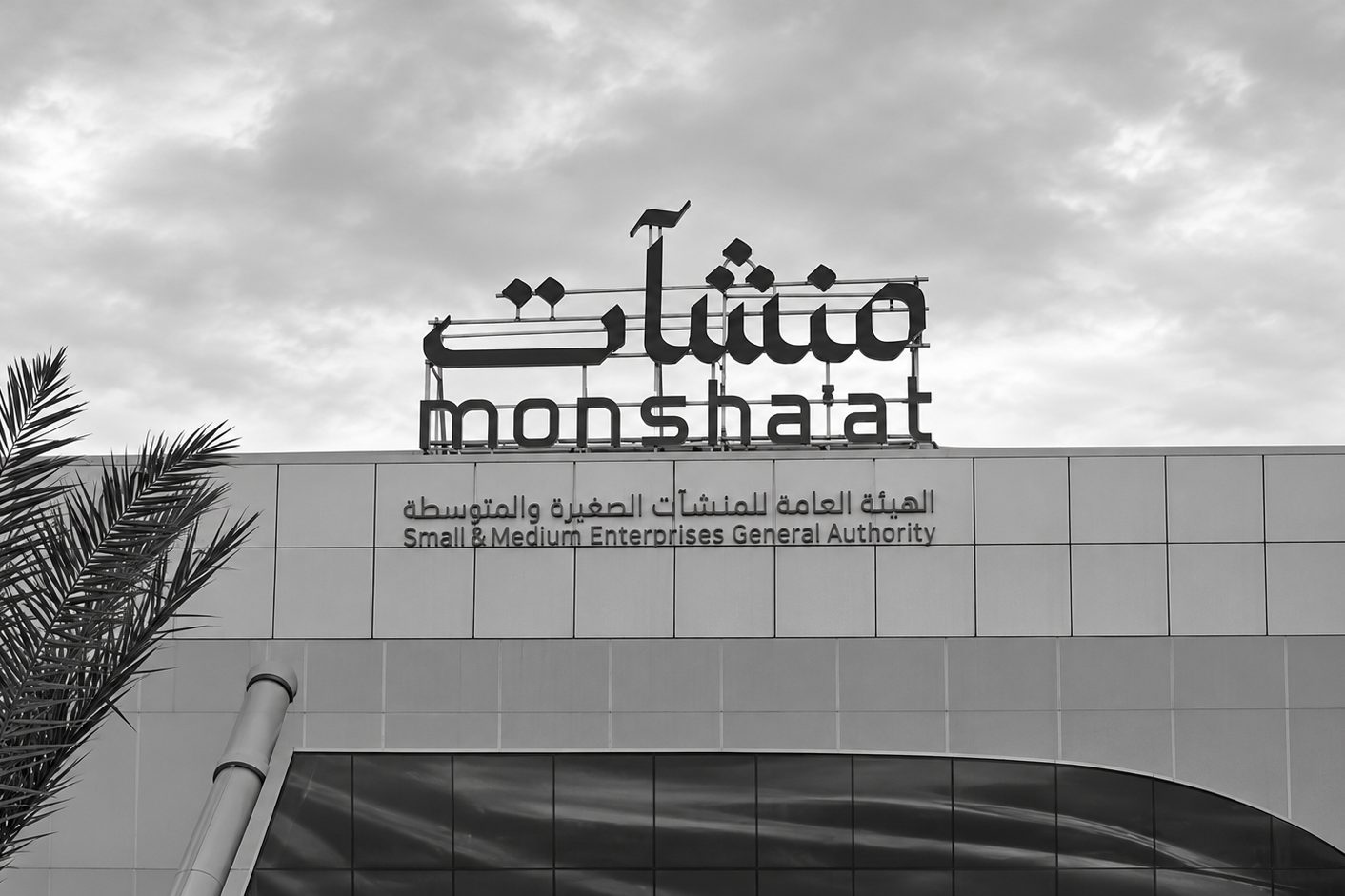
Monshaat says its Estrdad initiative has refunded more than 415 million riyals to 11,848 eligible SMEs.

· Last verified: 18 Nov 2026 (Saudi Press Agency (SPA), Monshaat)
Summary
- Monshaat says its Estrdad initiative has refunded more than 415 million riyals to 11,848 eligible SMEs.
- Roughly 44,000 firms have initially met eligibility terms; the scheme covers ten categories of government fees.
- Registration runs to end-2026 and payouts extend to 2028, putting cash back into newly founded businesses.
The latest
More than 415 million riyals in government fees have been refunded to small and medium-sized enterprises under the second edition of the Estrdad initiative, the Small and Medium Enterprises General Authority (Monshaat) announced. The authority said 11,848 eligible firms have received refunds so far, while about 44,000 enterprises have initially satisfied the eligibility conditions. Registration remains open until the end of 2026.
Details
- The headline figure: Monshaat said refunds under the second edition of Estrdad have passed 415 million riyals, distributed to more than 11,848 eligible small and medium enterprises. The authority did not break the total down by sector, region or average refund per firm.
- The eligibility pool: Around 44,000 enterprises have initially met the entitlement conditions, according to Monshaat — nearly four times the number that has actually collected money so far. The authority described the gap in terms of registration and verification stages rather than rejection.
- Who qualifies: The initiative targets newly established enterprises that began operating between 2024 and 2026, according to the authority. It is positioned within a package of programs aimed at firms during their first three years, when setup and operating costs weigh most heavily on cash flow.
- What is refunded: The scheme covers ten principal government fees, Monshaat said, including commercial registration charges, economic activity licenses, chamber of commerce subscriptions, Saudi Post subscriptions and patent registration fees, all refunded under approved standards and controls.
- The expatriate labor fee: Eligible firms can recover up to 80% of the financial compensation levied for foreign workers, according to the authority. That levy is among the heaviest recurring costs for small employers, making it the most financially significant line in the refund list.
- The timeline: Registration in the initiative continues until the end of 2026, Monshaat said, while disbursement of due amounts to eligible enterprises extends through 2028, following an approved payment schedule and set of controls.
- The stated purpose: The authority framed the program as easing the financial burdens tied to establishing and operating enterprises, redirecting part of those costs toward supporting liquidity, growth capacity and the sustainability of firms contributing to the national economy.
- How to apply: Monshaat called on SME owners to verify their eligibility and register through the dedicated Estrdad platform. The authority did not specify processing times for applications or the criteria separating initially eligible firms from those already paid.
Background
Monshaat is the government authority responsible for supporting small and medium enterprises in Saudi Arabia. Estrdad is now in its second edition, extending a fee-refund mechanism aimed at firms in their earliest operating years.
Between the lines
The distance between 44,000 initially eligible firms and 11,848 that have been paid suggests the program's fiscal footprint is still well short of its ceiling. With registration open through 2026 and disbursements scheduled into 2028, the 415 million riyals figure describes an early stage rather than a final cost. The inclusion of up to 80% of the expatriate worker levy makes payroll-heavy startups the largest potential beneficiaries.
What's next
Watch the registration deadline at the end of 2026, the pace at which the initially eligible 44,000 firms convert into paid beneficiaries, and the scheduled disbursement batches running through 2028.