Hormuz Oil Stock Recovery Could Take Two Years
The latest Saudi Aramco President and CEO Amin H. Nasser warned that reopening the Strait of Hormuz would begin the oil market’s recovery rather than complete it. Inventories must be replenished while demand is met, a process that can outlast the restoration of physical shipments.
· Originally published by ontime+ · Last verified: 6 Oct 2026 (Caroline Haiat)
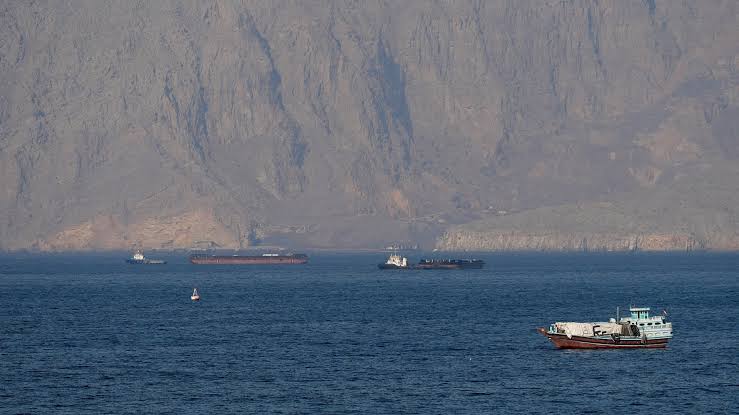
Key Points
- Global oil inventories could take up to two years to rebuild after Hormuz fully reopens and confidence returns.
- The strait carried about 20 million barrels daily in 2024, around 20% of global petroleum liquids consumption.
- Slow stock rebuilding could prolong pressure on prices, shipping, inflation, manufacturing costs and economic growth.
The latest
Saudi Aramco President and CEO Amin H. Nasser warned that reopening the Strait of Hormuz would begin the oil market’s recovery rather than complete it. Inventories must be replenished while demand is met, a process that can outlast the restoration of physical shipments. Speaking at the Energy Intelligence Forum in London, Nasser said pressure across crude markets would intensify until the waterway fully reopened and confidence returned.
Details
- Trade scale: The strait handled an average of about 20 million barrels a day in 2024, U.S. Energy Information Administration data showed. Saudi Arabia accounted for roughly 38% of crude oil and condensate flows through Hormuz, equivalent to approximately 5.5 million barrels daily.
- Market buffers: Oil inventories cushion interruptions in production or transport. Replacing barrels drawn during a prolonged crisis requires producers to cover normal consumption and refill reserves simultaneously, making stock recovery slower than restoring shipping routes.
- Economic exposure: China, India, Japan and South Korea depend heavily on Middle Eastern crude and liquefied natural gas. A prolonged disruption can affect fuel prices, transportation, inflation, manufacturing costs and growth, while shipping expenses and expectations spread effects beyond the Gulf.
- Export corridor: Oil and petroleum products from Saudi Arabia, Iraq, Kuwait, the United Arab Emirates and Qatar move through Hormuz to international markets. The waterway links major Gulf producers with consumers across Asia, Europe and elsewhere.
- Aramco safeguards: Aramco is drawing on strategic inventories, spare production capacity, multiple crude grades, domestic gas storage, tanker access through Bahri and financial strength. Its East-West pipeline moves Saudi crude toward the Red Sea, allowing some exports to bypass Hormuz. The company is examining additional export routes and overseas storage capacity. Nasser said its local supply chain provided more than 90% of materials required to restore damaged facilities. These measures provide flexibility during energy-system disruptions.
- Regional weight: Nasser said around half of the world’s proven oil reserves are in the Middle East, which also holds a substantial share of global spare production capacity. He said its strategic importance will grow as resources elsewhere mature and new supplies become more difficult and expensive to develop. Gulf stability is tied to global energy security.
- Wider resilience: Nasser described oil and gas as “the lifeblood of modern civilization” and said shortages of aluminium, sulphur, helium and petrochemicals could also affect solar, wind and electric-vehicle supply chains. He called for producer-consumer cooperation on emergency response mechanisms, supply planning, joint stockpiling, refinery and petrochemical flexibility, supply chains and cybersecurity, alongside preserving the free flow of energy and goods.
What’s next
The next concrete indicator is the full reopening of Hormuz and the restoration of market confidence. Attention will then turn to the pace of inventory rebuilding while demand is met, as Aramco examines additional export routes and overseas storage capacity.