Iraq Pumps 4.6 Million Barrels a Day, Highest Since 2019
Iraq raised October output by 540,000 barrels a day to 4.6 million, the IEA said.
· Source: Bloomberg · Last verified: 13 Nov 2026
Summary
- Iraq raised October output by 540,000 barrels a day to 4.6 million, the IEA said.
- Gulf producers restored flows using shuttle shipments and routes bypassing the Strait of Hormuz.
- Regional exports remain 26% below pre-war levels, limiting the scale of the recovery.
The latest
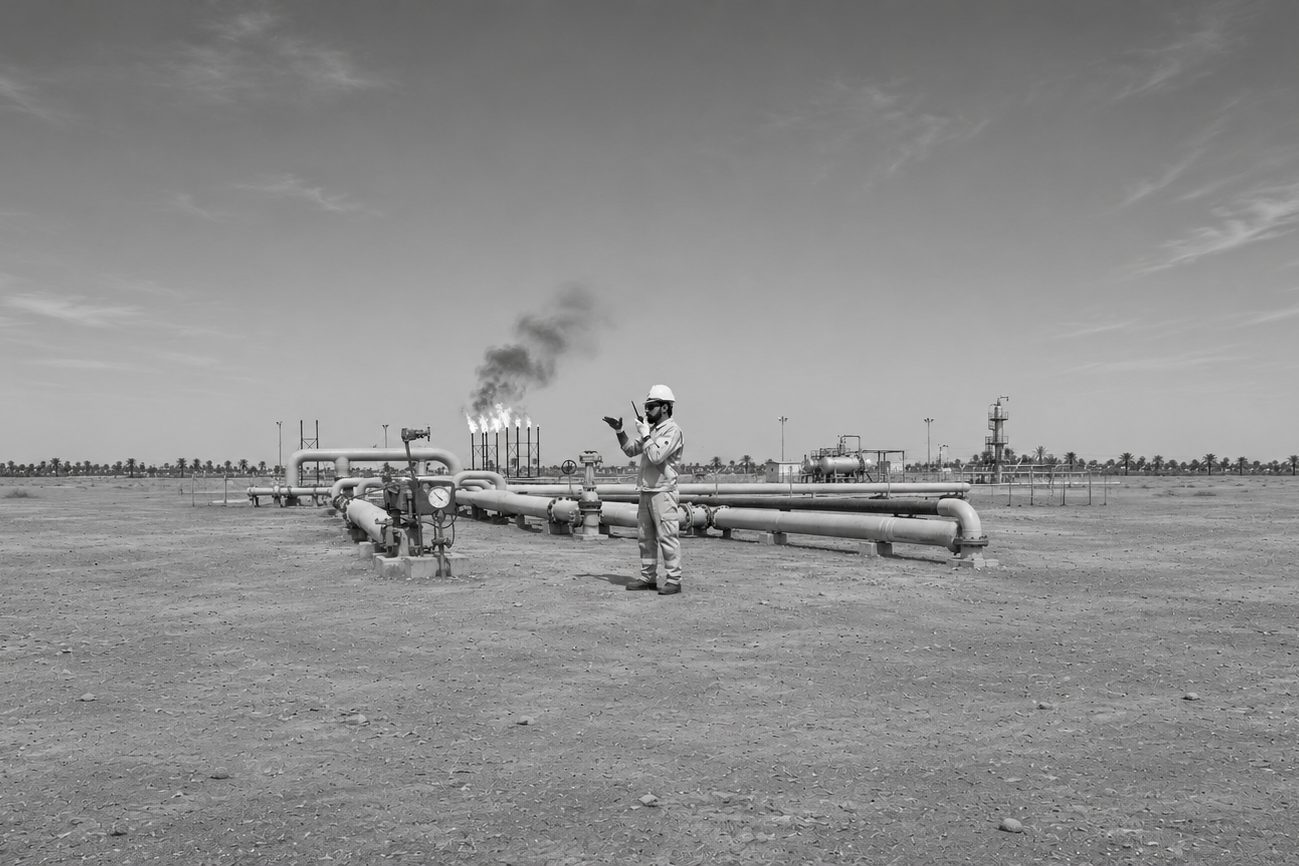
Iraqi crude output climbed to 4.6 million barrels a day in October, the highest level since September 2019, after a 540,000-barrel increase, according to the International Energy Agency's monthly report. The agency said Gulf producers pushed more crude to market despite shipping disruptions caused by the Iran war, leaning on discreet shuttle shipments through the Strait of Hormuz and export routes that avoid the waterway altogether.
Details
- The numbers: Iraq, OPEC's second-largest producer, added 540,000 barrels a day in October to reach 4.6 million, the IEA said. That is the country's strongest monthly output in more than six years, surpassing every month since September 2019.
- Regional exports: Gulf producers excluding Oman lifted exports by 950,000 barrels a day to 18.4 million in October, according to the IEA. Despite the increase, shipments stayed 26% below pre-war levels, showing the recovery has not closed the gap opened by the conflict.
- How crude moved: The IEA attributed the rebound to discreet shuttle shipments through the Strait of Hormuz and to expanded export routes that bypass the waterway. The agency did not identify the alternative routes or the operators handling the shuttle traffic.
- Saudi output: Saudi Arabia, the Gulf's largest crude producer, raised production by 1.1 million barrels a day to 10 million in October, the IEA said — the single biggest monthly increase among the producers covered in the report.
- A data gap: The IEA's Saudi figure sits below the 10.56 million barrels a day Riyadh reported to OPEC for the same month, a discrepancy of roughly 560,000 barrels a day between the two sets of numbers. The agency did not account for the divergence.
- The UAE: The United Arab Emirates held output near 4.4 million barrels a day, close to the previous month's high and near the limit of its production capacity, according to the IEA. That leaves Abu Dhabi with little room to add barrels if demand rises further.
- The backdrop: The increases came while shipping through the Gulf remained disrupted by the Iran war, the IEA said. Producers raised volumes rather than holding back supply, reversing part of the export losses recorded earlier in the conflict.
Background
The Strait of Hormuz is the main outlet for Gulf crude. Disruption to traffic there forces producers to route barrels through alternative pipelines and terminals, or to move them in smaller, less visible shipments.
Between the lines
Two figures sit in tension. Output is rising fast — Iraq at a six-year high, Saudi Arabia up 1.1 million barrels a day — yet regional exports remain 26% below pre-war levels. That suggests the constraint is not how much Gulf producers can pump but how much they can ship, with the Hormuz bottleneck, not capacity, setting the ceiling on supply reaching buyers.
What's next
The IEA's next monthly report will show whether November exports narrow the 26% gap to pre-war levels, and whether Saudi output figures converge with the higher volumes Riyadh reports to OPEC.
Source: International Energy Agency, Bloomberg