Kuwait oil output back to 75% of prewar level, KPC says
Kuwait is pumping about 2 million barrels a day, against 2.6 million before the Iran war
· Source: Bloomberg · Last verified: 6 Oct 2026
Summary
- Kuwait is pumping about 2 million barrels a day, against 2.6 million before the Iran war
- Output had collapsed below 1 million as Iran blocked Hormuz shipping
- Refined fuel remains scarce worldwide, with strategic inventories described as critical
The latest
Kuwait's crude production has recovered to roughly 2 million barrels a day, about 75% of the 2.6 million it pumped before the Iran war began at the end of February, Kuwait Petroleum Corp. Chief Executive Officer Sheikh Nawaf Al-Sabah told Bloomberg. He said more tankers are now risking passage through the Strait of Hormuz despite continued Iranian threats to shipping.
Details
- The collapse: Kuwaiti output fell below 1 million barrels a day in the opening months of the conflict, according to Sheikh Nawaf, as Iran blocked shipping through the Strait of Hormuz. That was less than half the prewar rate, and the recovery to about 2 million has unwound most but not all of the loss.
- Why ships returned: Sheikh Nawaf attributed the rise in transits to the absence of any substitute route, saying pipelines and storage facilities cannot replace the strait's role in international commerce. Over the past month, he said, more KPC customers have been willing to send their own vessels to collect cargoes.
- Crude vs. products: KPC is currently meeting its crude-oil obligations to customers, the CEO said, but the world still faces a shortage of refined products. He described strategic inventories of refined fuels as being at critical levels, a sharper warning than anything he offered on crude supply.
- Not a refining problem: Kuwait's refineries producing diesel and jet fuel are all working and functional, Sheikh Nawaf said. He located the bottleneck in what he called the lack of freedom of navigation through the strait, rather than in any loss of domestic processing capacity.
- The Europe link: Sheikh Nawaf tied Europe's recent emergency release of diesel and jet-fuel stocks directly to Kuwait's disrupted exports, noting the country was a major supplier of those fuels to the region before the war. He did not specify the volumes Kuwait is currently shipping to European buyers.
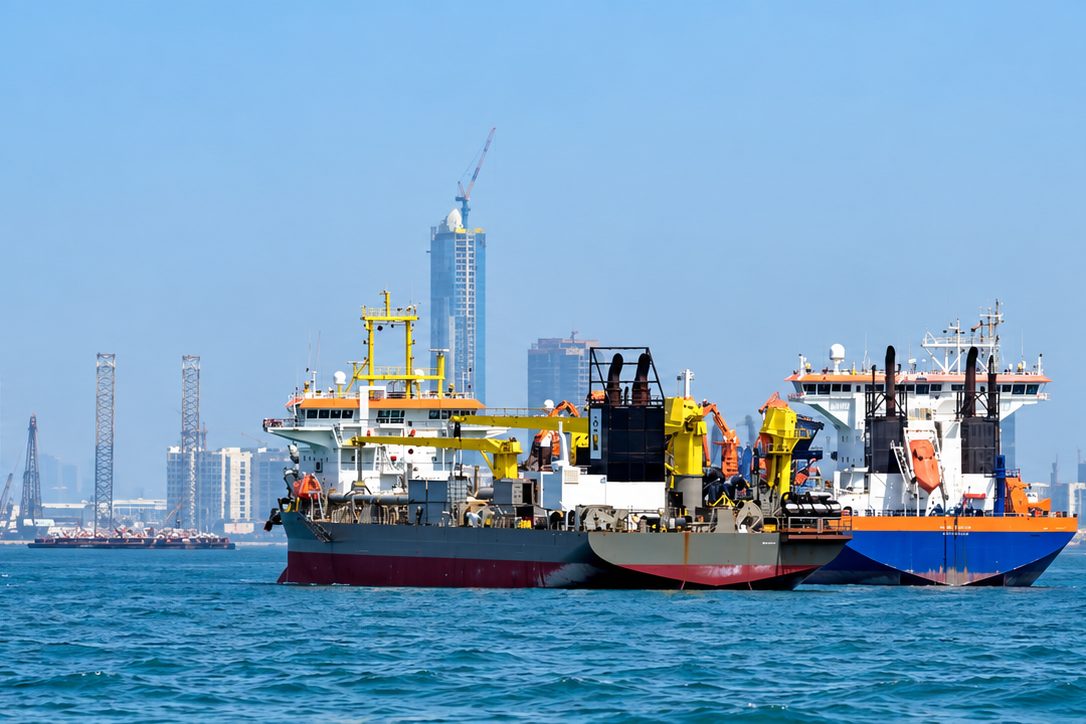
- Tanker fleet: KPC is expanding its own tanker fleet, which now numbers 29 vessels. The CEO said owning a strategic fleet has proven more beneficial than relying on chartered shipping, a conclusion drawn from a market where carriers have grown reluctant to enter the Gulf.
- Capacity targets: Strategic projects remain on schedule despite the war, according to Sheikh Nawaf, who said Kuwait is "absolutely on track" to lift production capacity to 4 million barrels a day by 2035, up from 3 million now. He gave no revised interim milestones.
- Pipeline options: Kuwait is advancing pipeline plans intended to reduce dependence on the strait, with routes through Saudi Arabia and the United Arab Emirates among the options under study. No timeline, cost estimate or preferred route was announced.
Background
The Iran war began at the end of February. Iranian action against shipping through the Strait of Hormuz, the chokepoint for a large share of Gulf crude and refined-product exports, cut Kuwaiti output by more than half before transits began recovering.
Between the lines
The gap between Kuwait's crude recovery and the refined-products shortage points to where the damage is now concentrated. Kuwait's refineries are running and crude obligations are being met, yet Europe has tapped emergency diesel and jet-fuel stocks — a sequence Sheikh Nawaf traced to Kuwaiti cargoes that cannot sail. The fleet expansion and pipeline studies suggest KPC is treating shipping risk as a lasting condition.
What's next
Watch whether Hormuz transit volumes keep rising, whether European emergency fuel releases are extended, and whether Kuwait selects a pipeline route through Saudi Arabia or the UAE.
Source: Bloomberg