Saudi crude output hits 10.6mn b/d, near prewar levels
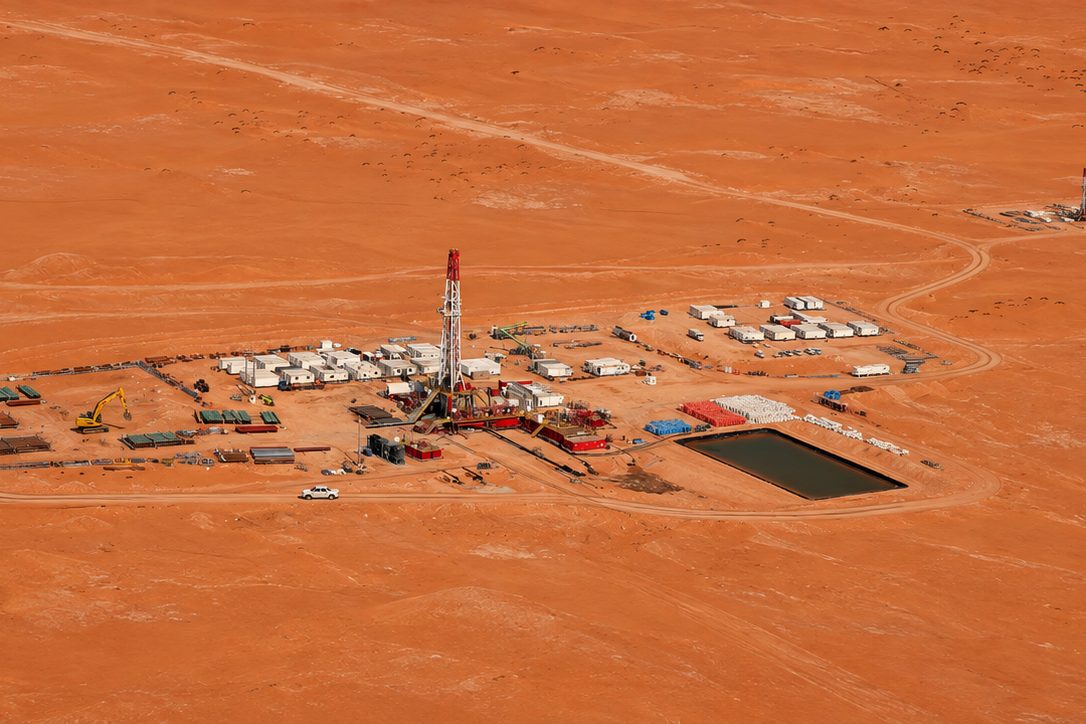
Saudi Arabia told Opec it pumped 10.6mn barrels a day in October.
· Last verified: 11 Nov 2026 (Financial Times, Opec, Kpler, UK Maritime Trade Operations)
Summary
- Saudi Arabia told Opec it pumped 10.6mn barrels a day in October.
- That is its highest output since the US-Israel war against Iran began in February.
- The rebound signals Riyadh has found export routes around the Hormuz disruption.
The latest
Saudi Arabia produced 10.6mn barrels of crude a day in October, its highest level since the United States and Israel launched their war against Iran at the end of February, according to figures the kingdom submitted to Opec. The number is above the average of the two months preceding the conflict, and it lands as attacks on shipping around the Arabian Peninsula reached their heaviest frequency of the war.
Details
- The figures: Riyadh reported 10.6mn b/d to Opec for October, according to the Financial Times. Analysts cited by the paper said a rush to produce and export ahead of hostilities had inflated February output, making the comparison with the two prewar months a demanding one for the kingdom to beat.
- The export side: Saudi Arabia shipped 7.9mn b/d of crude and refined products in October, the highest level since the war began, according to analytics platform Kpler. The kingdom used both its Gulf terminals and the Red Sea port of Yanbu, giving it an outlet that avoids the Strait of Hormuz entirely.
- The Hormuz shock: Gulf oil shipments collapsed after Tehran asserted control over the Strait of Hormuz, the waterway through which roughly a fifth of the world's oil normally passes. With limited storage and few alternative export routes, the region's largest producers were forced to curtail output during the conflict.
- Attacks on shipping: The UK's Maritime Trade Operations centre recorded at least 36 attacks on shipping around the Arabian Peninsula in October, the highest frequency of reported strikes since the war started. The strikes clustered around Hormuz and Bab al-Mandeb, the chokepoint linking the Red Sea to the Indian Ocean.
- Strikes inside the kingdom: Iran-backed Houthi rebels in Yemen targeted Saudi aviation and energy infrastructure, hitting several airports including Riyadh's, the kingdom's largest. The headquarters of state oil company Saudi Aramco and oilfield facilities were also struck. No assessment of damage to production capacity was disclosed.
- The UAE position: The United Arab Emirates left Opec this year and no longer reports production data to the organisation. Secondary sources used by Opec put Emirati output above 4mn b/d in October, well above its prewar level. Abu Dhabi said in April it wanted greater freedom to raise production without the constraints membership imposed.
- What it means for Opec: The rebound puts the cartel's largest producer and de facto leader back near prewar volumes while its second-largest Gulf member sits outside the group entirely, reporting nothing and pumping above its prior baseline.
Background
The war between the United States and Israel on one side and Iran on the other began at the end of February. Tehran's move to assert control over the Strait of Hormuz became the single biggest constraint on Gulf oil exports, since about 20% of global crude normally transits the waterway.
Between the lines
The Yanbu route is the hinge. Because Saudi Arabia can load crude on the Red Sea as well as the Gulf, it holds an option its neighbours largely lack, which helps explain how it restored volumes while regional peers curtailed. But Red Sea shipping runs past Bab al-Mandeb, where strikes also intensified in October, so the workaround is not insulated from the conflict.
What's next
Watch November's submissions to Opec for whether 10.6mn b/d holds, Kpler's export tracking for any Yanbu slowdown, and the Maritime Trade Operations centre's monthly attack count around Hormuz and Bab al-Mandeb.
Source: Financial Times, Opec, Kpler, UK Maritime Trade Operations