UAE weighs third pipeline to bypass Hormuz, Bloomberg reports; ADNOC denies
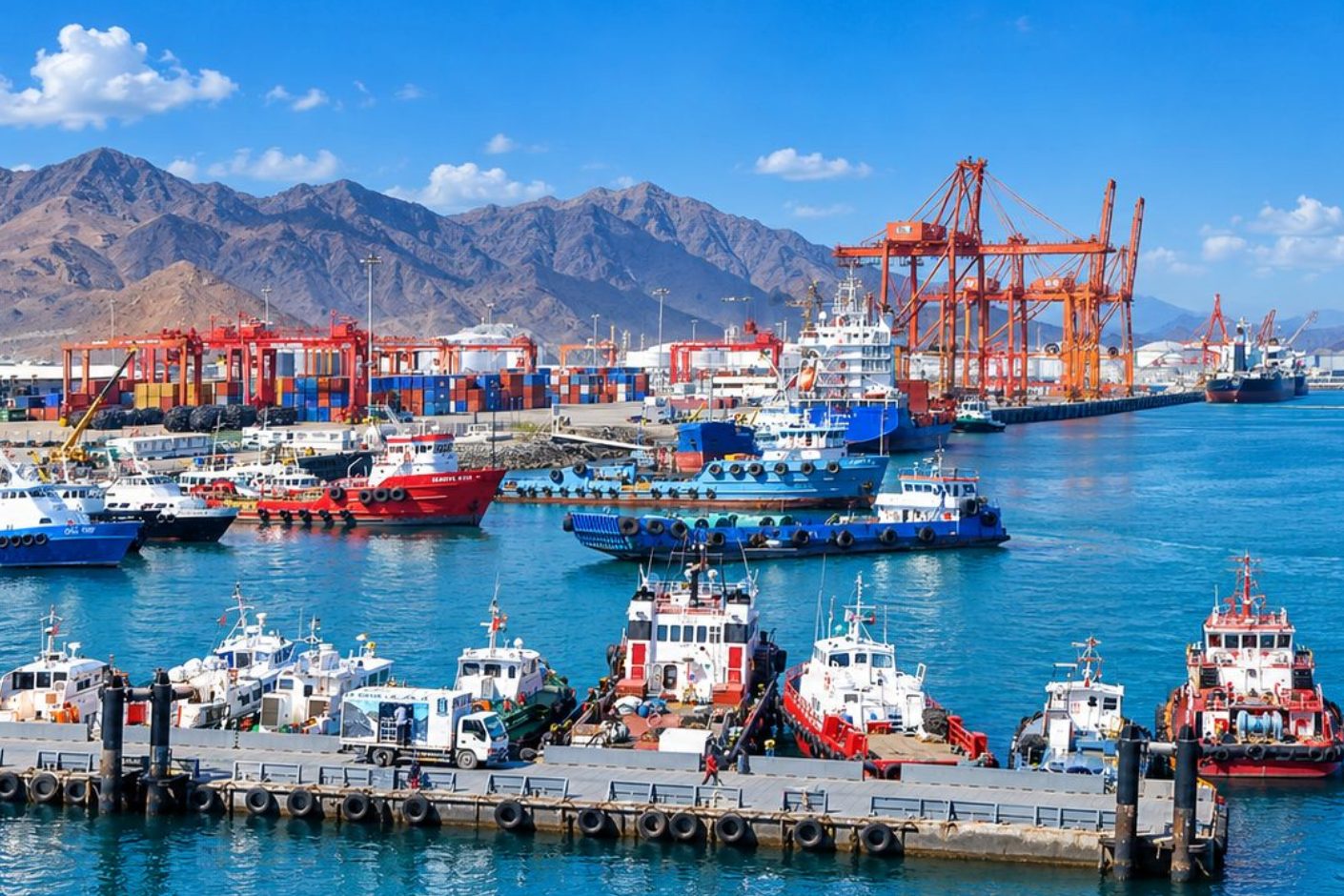
ADNOC is studying a third crude pipeline from the UAE's west coast to Fujairah, people familiar said.
· Source: Bloomberg · Last verified: 5 Nov 2026
Summary
- ADNOC is studying a third crude pipeline from the UAE's west coast to Fujairah, people familiar said.
- An ADNOC spokesperson told Bloomberg the report is inaccurate and based on pure speculation.
- Gulf producers are spending billions to route oil around a strait repeatedly targeted during the Iran war.
The latest
A third oil export pipeline carrying crude beyond the Strait of Hormuz is under study in the UAE, people familiar with the matter told Bloomberg, as Abu Dhabi moves to sharply cut its reliance on the waterway. The line would run from the UAE's west coast to Fujairah on the east coast, and could be opened to other users, those people said. ADNOC rejected the account.
Details
- The denial: An ADNOC spokesperson disputed the account, saying the company had told Bloomberg that "this report is inaccurate and based on pure speculation." The company did not offer an alternative description of its pipeline plans.
- What's proposed: The people familiar said the line would run from the western onshore fields to Fujairah and could be made available to third parties, adding capacity on top of one operating line and a second due to start up next year. Several cautioned the plans are not final and the route could change.
- Customers briefed: Other people familiar said ADNOC has already informed some of its Asian buyers about the proposed pipeline. They did not identify the refiners involved or say what commercial terms, if any, were discussed.
- Existing capacity: ADNOC operates a pipeline linking its western onshore fields to Fujairah with a capacity of roughly 2 million barrels per day. The company said in May it was accelerating work on a second line, targeting completion next year, which would double that transport capacity.
- Asian timeline: ADNOC indicated to some Asian refiners they would be able to receive supplies reaching Fujairah through the second line in early 2027, according to people familiar who spoke last month.
- The wider plan: The UAE, which left OPEC in May, is planning major investments in new pipelines, rail and road networks, plus a significant expansion of at least three eastern ports, Foreign Trade Minister Thani Al Zeyoudi said earlier this year, as part of ending its dependence on Hormuz.
- Other producers: Saudi Arabia's East-West pipeline, which also bypasses Hormuz, was its main route to customers during the conflict, and Riyadh has said it plans to raise that line's capacity while studying additional pipelines. Kuwait, which relies entirely on Hormuz, is in talks with both Riyadh and Abu Dhabi on alternatives, KNPC Chief Executive Sheikh Nawaf Al-Sabah said.
- The limits: Bypass routes have not insulated exports from attack. Fujairah port was struck several times during the Iran war, and the Saudi East-West line was briefly halted after an attack in September.
- Shipping risk: The waterway came close to full closure at the peak of the war, and vessels are still targeted regularly even as transit numbers recover. The UAE was among the most successful states at keeping exports moving through the strait.
Background
The Strait of Hormuz links the Gulf's largest producers to world markets. During the Iran war, alternative pipelines in the UAE and Saudi Arabia kept crude flowing while transits remained high-risk. Saudi Arabia and Kuwait both lost billions of dollars in missed sales and have since competed for buyers.
Between the lines
The gap between the denial and the reporting is narrower than it looks: ADNOC has publicly confirmed it is accelerating a second line and briefing Asian refiners on 2027 deliveries, so the dispute is over a third project, not over the strategy. The repeated strikes on Fujairah and the September halt of the Saudi East-West line suggest redundancy, not geography alone, is what Gulf producers are now buying.
What's next
Watch for the second Fujairah line's completion, targeted for next year, and first deliveries to Asian refiners in early 2027. Also watch Saudi decisions on East-West capacity and any outcome from Kuwait's talks with Riyadh and Abu Dhabi.
Source: Bloomberg