UAE markets 1.87 million barrels of Saudi crude from attacked tanker
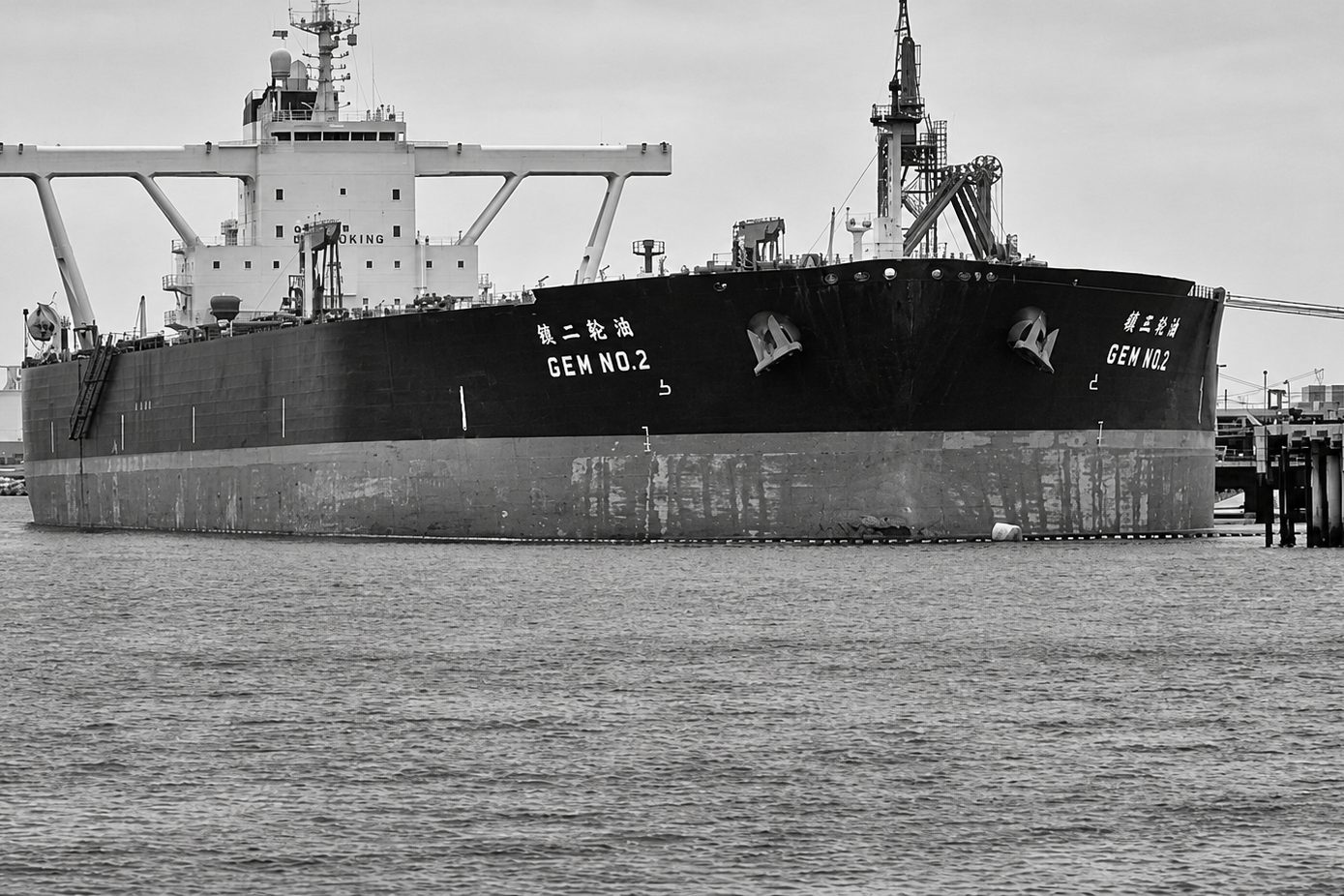
The UAE offered Saudi crude salvaged from the Gem No. 2 supertanker struck off its coast.
· Source: Reuters · Last verified: 10 Nov 2026
Summary
- The UAE offered Saudi crude salvaged from the Gem No. 2 supertanker struck off its coast.
- Saudi Aramco authorised Abu Dhabi to sell the oil on its behalf, one source said.
- Gulf exporters are discounting freight to keep buyers as Hormuz shipping risk rises.
The latest
Some 1.87 million barrels of Saudi Arab Light crude from a supertanker hit by an unidentified projectile last month are being offered for sale by the United Arab Emirates, Reuters reported, citing three trade sources and a tender document. The oil would move by ship-to-ship transfer between November 10 and 20. The tender closed Monday.
Details
- The cargo: The crude was aboard the Gem No. 2 tanker, struck by an unidentified projectile last month off the UAE coast, according to Reuters. The volume offered was initially 1.7 million barrels, later revised upward to 1.87 million barrels, a second document reviewed by the agency showed.
- The mechanics: The UAE's energy ministry set loading via ship-to-ship transfer in a window running November 10 to 20, according to the tender document. One of the sources said the commercial terms attached to the Saudi cargo closely tracked those the UAE's Abu Dhabi National Oil Co offers on its own barrels.
- An unusual seller: It is rare for the UAE to market Saudi crude, Reuters reported. Another source said Saudi Aramco had authorised Abu Dhabi to sell the oil on its behalf, an arrangement that would place one Gulf producer in charge of monetising a damaged cargo belonging to its larger neighbour.
- The spill: UAE authorities stopped the leak from the stricken tanker in late October and have continued cleanup operations along the coastline, according to Reuters. Neither the duration of the cleanup nor the volume of oil lost to the sea was specified by the authorities.
- No comment: Saudi Aramco and the UAE did not respond to Reuters' requests for comment on the sale, the agency said. Neither party has publicly confirmed the authorisation arrangement described by the source, and no official statement on the tender's outcome has been issued.
- The security backdrop: Since the start of the US-Israeli war with Iran, attacks on commercial vessels in the Gulf have raised security risks and costs for oil exporters, Reuters reported, and have heightened fears over the conflict's environmental fallout across the waterway.
- Buyer incentives: Both Saudi Arabia and the UAE have offered incentives, including freight discounts, to attract buyers, trade sources told Reuters. The discounts are intended to offset the higher insurance and risk premiums shipowners now attach to voyages through the Gulf.
- Export posture: The two producers have sought to maintain crude exports despite threats and attacks on shipping around the Strait of Hormuz by Iran, according to Reuters. Keeping volumes flowing has become a shared priority even as individual cargoes are damaged in transit.
Background
The Strait of Hormuz is the chokepoint through which Gulf producers move most of their seaborne crude. Attacks on shipping there since the start of the US-Israeli war with Iran have turned routine voyages into insurable risks, raising costs for exporters and complicating cargo logistics.
Between the lines
Selling damaged crude through a neighbour's ministry rather than Aramco's own channels suggests the practical problem is logistical: the barrels sit off the UAE coast and need to move by ship-to-ship transfer within a narrow window. Pairing that with freight discounts already on offer from both producers points to sellers absorbing cost to keep buyers engaged rather than withdrawing cargoes from a riskier market.
What's next
Watch for the tender's award following Monday's close, whether the ship-to-ship transfer completes inside the November 10–20 window, and any statement from Saudi Aramco or UAE authorities on the sale arrangement or remaining cleanup.
Source: Reuters