Tanker attacks persist in Hormuz as oil hits two-month low
· Originally published by ontime+ · Source: Reuters · Last verified: 11 Nov 2026
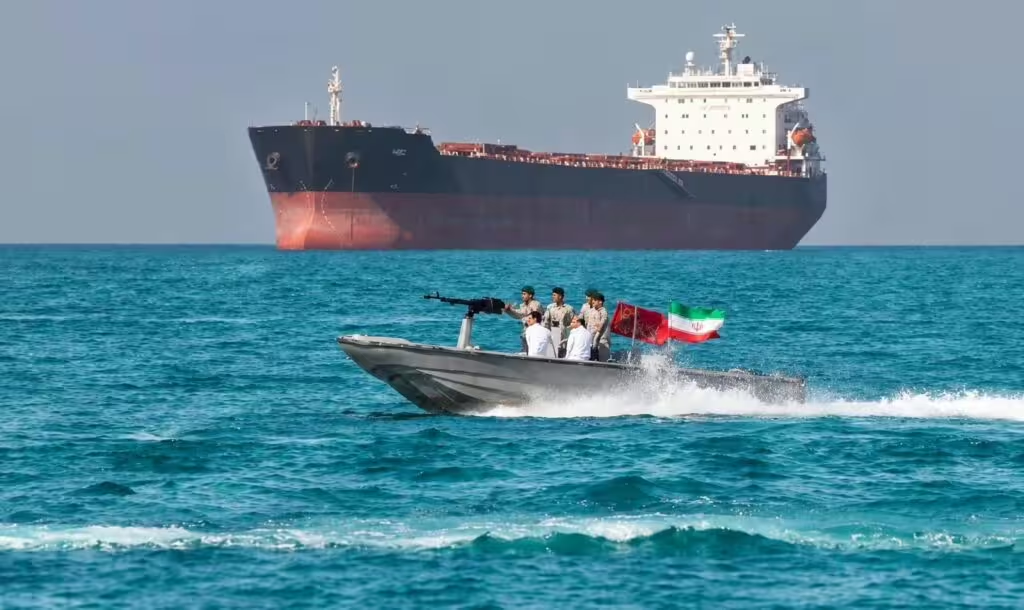
The latest:
Tankers were still burning in and around the Strait of Hormuz over the past several days, even as markets bet the Iran war was cooling. Oil fell to its lowest level in two months Tuesday after US officials played down the need for further military action against Tehran. Brent crude settled at $91.49 a barrel, down 1.2%.
Details:
- The attack tally: Washington Institute for Near East Policy data showed little sign of attacks easing in November, after 37 vessels were struck in October, the highest monthly figure since the war began. The International Maritime Organization put the regional total at 130 incidents since the conflict started on the last day of February, with at least 25 seafarers killed.
- The Oman coast fire: Social media footage published Sunday and verified by Reuters showed a Navig8 tanker ablaze off the Omani coast. An image captured the same day by the European Copernicus Sentinel-2 satellite showed a large plume of black smoke at the same location.
- Tehran’s account: Iranian state news and television quoted the Revolutionary Guards navy as saying the tanker was one of three struck Sunday for using “unauthorised routes” through the strait. A separate Guards navy statement said two tankers caught fire after striking naval mines on an unauthorised route in Hormuz.
- The owners: The vessel is operated by Navig8, in which Adnoc Logistics and Services holds a majority stake. Neither company responded to emailed requests for comment from Reuters, and neither has set out a position on the circumstances of the fire.
- The US blockade: American forces are maintaining a naval blockade of Iranian ports. US Central Command said one of its aircraft fired on and disabled a Saint Kitts-flagged cargo ship after it tried to leave territorial waters, having docked at an Iranian port Saturday.
- Environmental damage: Video published Monday and verified by Reuters showed a spill from damaged tankers reaching Omani beaches, while satellite imagery showed slicks off the coasts of Oman and the United Arab Emirates. The Omani government did not respond to a Reuters request for comment.
- Energy infrastructure hit: Verified footage showed damage to a Saudi Aramco administrative building in Riyadh after missile strikes claimed by the Houthis on 8 November. Saudi Arabia’s energy ministry said the attack was intercepted and falling debris caused limited damage, with no injuries or deaths.
- Washington’s signal: Secretary of State Marco Rubio told G7 allies in Paris that US sanctions and the naval blockade were achieving their aims, meaning President Donald Trump did not need large-scale military operations. Trump said Monday he would hold off on new strikes after appeals from regional states, including Qatar’s prime minister.
- Iran’s position: Prices pared some losses after Mohsen Rezaei, secretary of Iran’s Supreme National Security Council, told the pro-Iran Al-Mayadeen channel that no negotiations are currently under way between Tehran and Washington.
- Fresh incidents: The UK Maritime Trade Operations said Tuesday another tanker was attacked northeast of Lima in Oman, without identifying who carried it out. In Yemen, the Saudi-led coalition said it downed Houthi missiles fired at Saudi cities, while the Houthis reported Saudi air strikes on Sanaa.
Background:
Both Brent and West Texas Intermediate hit their lowest levels since 31 August for a second straight day, with both contracts technically oversold. WTI settled down 81 cents at $86.04.
Between the lines:
Analyst Tim Waterer of KCM Trade assessed that markets are prioritising Trump’s more conciliatory tone since the midterms over the attacks themselves, arguing the strikes have not escalated enough to impose a new risk premium. That reading rests on volume, not absence: ships are still burning, spills are still reaching shore, but the pace has not broken past October’s record.
What’s next
Watch the Federal Reserve’s December meeting, where stronger-than-expected October inflation has raised bets on a half-point rate rise, and the US-brokered Russia-Ukraine talks now under way.